
Hunting & Heritage
|
09/09/2026
The Hunter's Table // The Case Against "Gamey"
The Most Useless Word in Wild Game Cooking.
by Ryan Sparks
Related Articles


Sponsored by
My wife and I almost never buy meat from the grocery store. Instead, we turn to the variety of game meat stored in our freezer. When we have people over for dinner, we might cook quail, deer, duck, goose, pheasant, or any number of wild things most Americans aren't accustomed to eating.
In my mind our chest freezer is a literal treasure chest, and I'm always excited to prepare wild game for uninitiated palates.
Then a tired scenario plays out: we sit down to eat, everyone tucks in, and inevitably someone uses the word "gamey" and I inwardly cringe.
I hate the word for a variety of reasons. One is that it assumes all game tastes the same. I've heard it applied to smoked antelope and wild turkey during the same meal. Most folks can agree that besides being meat, these two proteins have nothing in common. In fact, animals of the same species from different habitats often taste very different.
It's what wine enthusiasts call "terroir," or the characteristic taste and flavor imparted to a wine by its environment. In wild game, there are so many variables, including age, diet, physical activity, time of year, stress, and how the animal was handled during processing that affect taste. This nuanced flavor enriches the experience of eating what you hunt and is something to be celebrated, not paved over with a word like gamey.
Another reason I despise the word is that it inherently implies that game meat, in its basic form, tastes bad. I've never heard the word used in a positive light. Gamey is a pejorative term that suggests game meat requires elaborate preparations, powerful marinades, and overpowering sauces to make it palatable.
I would argue the opposite is true. One of my favorite ways to eat quail is to toss them in olive oil, sprinkle them with salt, and throw them on the grill. Simply prepared, you can taste an animal in its purest form.
For most of human history, wild meat wasn't an alternative – it was simply meat. Humans have been eating wild animals far longer than domesticated ones and I'm sure Neolithic humans would scratch their heads at our concept of gaminess. These days, "gamey" has become a blanket term for a variety of smells and flavors, and I would argue that when most people say something tastes gamey what they are trying to say (although they are usually unaware of it) is that it tastes unfamiliar.
Even people who have ordered venison, pheasant, quail, or duck from a restaurant menu haven't tasted the wild equivalent of what arrived on their plate. Enacted in 1900, the Lacey Act stopped hunters from selling game meat to curtail rampant market hunting and stabilize plummeting game populations across the country. Now if a restaurant wants to serve game meat, it must purchase it from a game farm. If you order quail at a restaurant it grew up in a pen, not in a plum thicket.
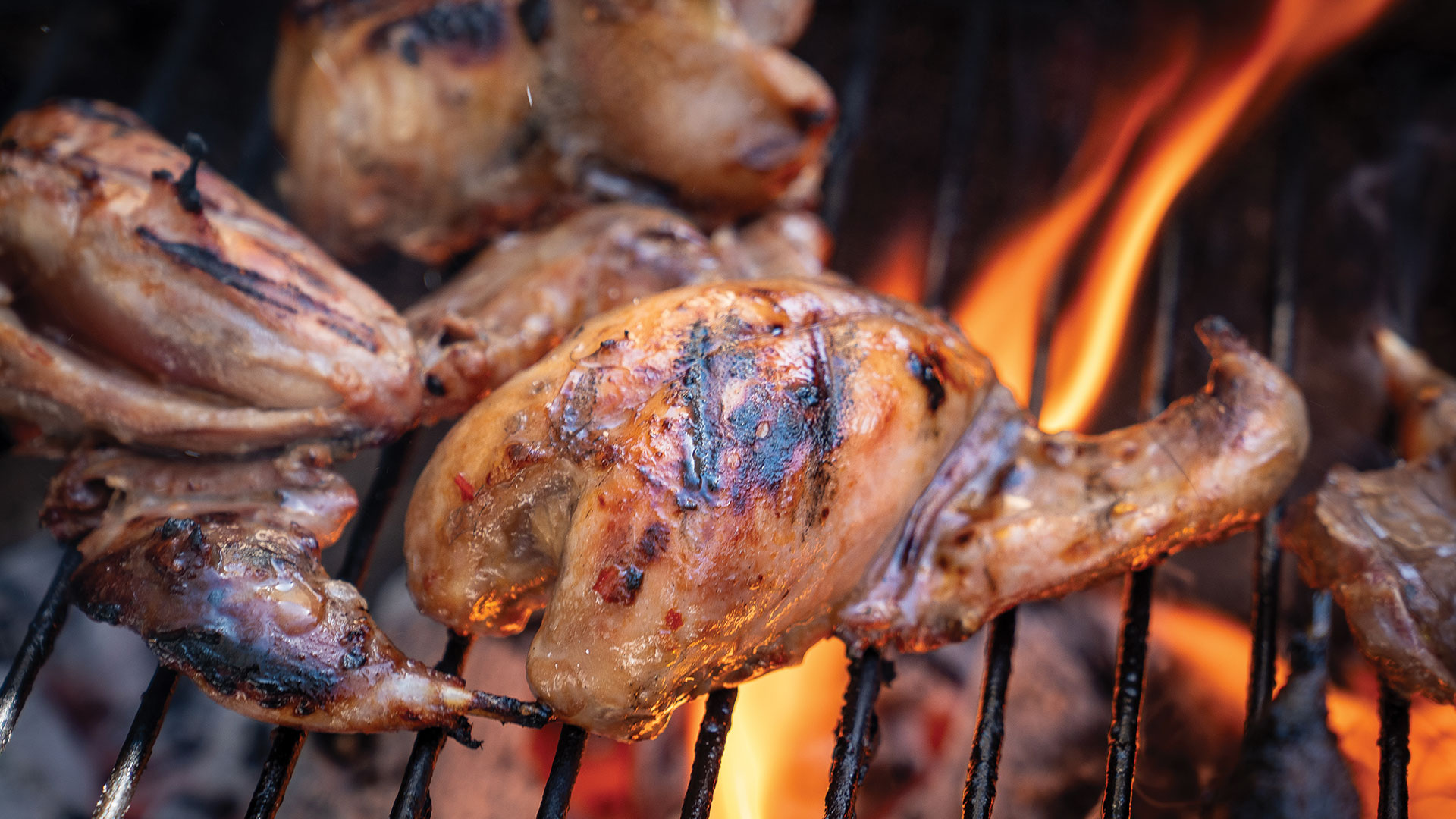
"The word gamey strips away the unique flavor of individual animals."
In a modern sense, the word gamey strips away the unique flavor of individual animals and juxtaposes two categories of animals, those raised inside fences and those roaming outside. According to this flawed thinking, if an animal comes from inside a fence it tastes like pork, chicken, or beef. If it comes from outside a fence it tastes gamey, regardless of if it flies or walks, what it eats, or where it lives.
People use the word gamey because it's a word our non-wild-game-eating culture tells them to use. We accept it because of mental laziness.
Something might taste unfamiliar, have a unique texture, or taste leaner or richer than we are used to, so we call it gamey. The word is so opaque and broad it has virtually no meaning.
If you applied the same blanket classification to domesticated animals the absurdity really begins to set in. Does all domesticated meat share a common characteristic? I've never heard anyone at a restaurant say, "Boy, this pork tastes domesticated!"
When you give it just a bit of thought you realize the word gamey creates a false dichotomy that does a large disservice to the animals we hunt and love. Why not treat each animal and the meat they provide us with the respect it deserves?
This is why I wince when I roast a pheasant or grill some quail and a dinner partner tells me it's not as gamey as they expected it would be. You can't judge how good something is by how much it doesn't taste like itself.
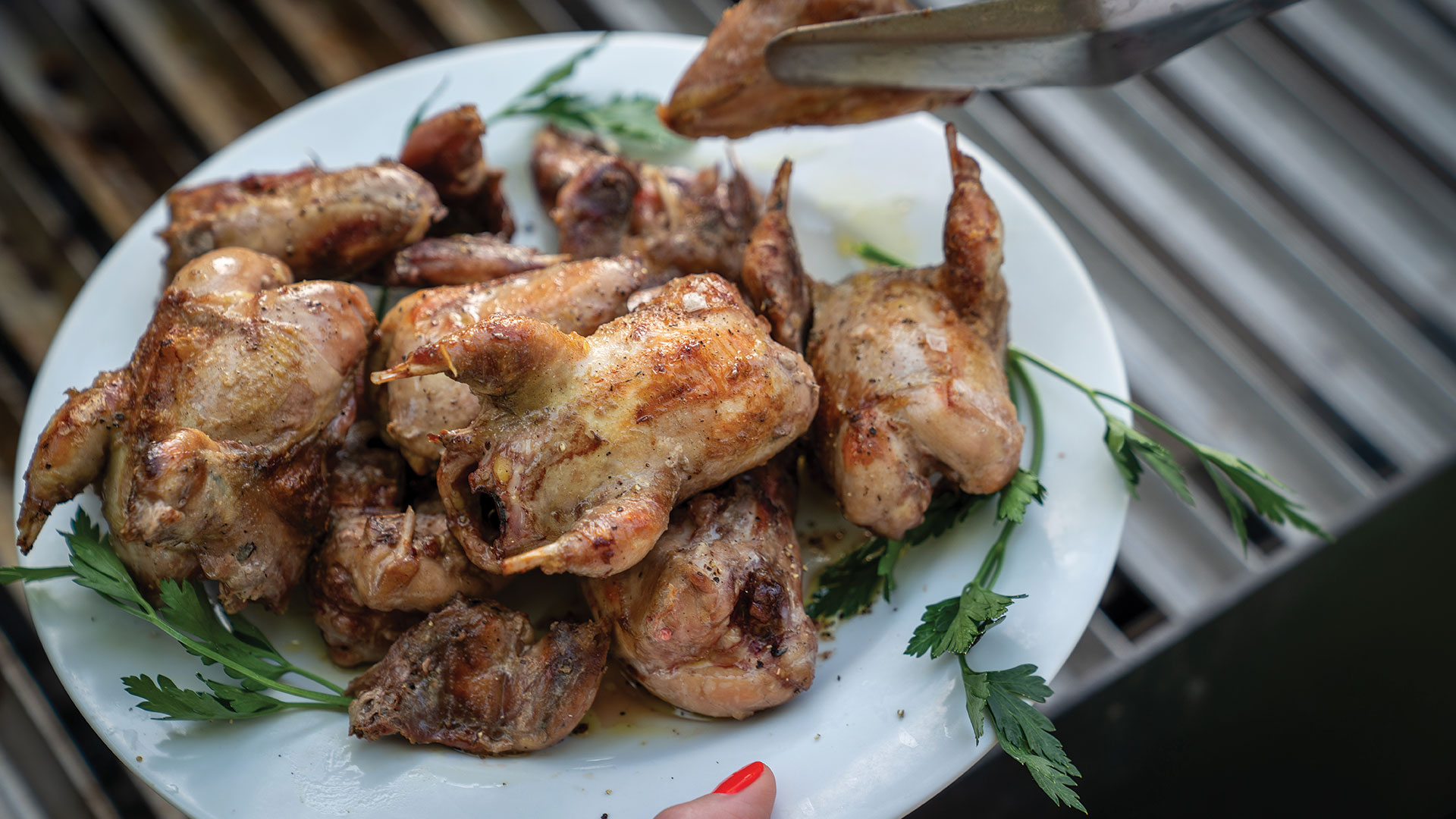
It's akin to saying, "gee-whiz, you sure did a good job removing all the flavor from this" or "I can't believe how much you got this deer to taste like feed-lot beef!"
Bringing up how un-gamey something is or telling me your grandma's secret pheasant recipe (the one with a strong marinade where she roasts it on a board and then throws the meat away and serves the board) is a fast way to get on my "never invite to dinner again" list.
Maybe that's what bothers me most about the word. The sage grouse from Wyoming, the bobwhite from Nebraska, the whitetail from an Iowa river bottom and the mule deer from a Montana mountainside all become the same thing: gamey.
Yet every wild animal carries the imprint of a particular landscape and season. Those are differences worth noticing. They are, after all, part of what we are hunting for in the first place.
To me, that's not something to hide from. It's the whole point.
Listen to the Podcast:
PODCAST EP. 381: "Gamey" - A Pheasants Forever and Quail Forever Short Essay
View the Recipe:
The Hunter's Table // Simple Grilled Quail

Your cart is empty