
Hunting & Heritage
|
10/29/2026
This is Argentina
For all that they are infamously hyper-carnivorous, Argentines in the south of the country aren't much into bird hunting.
by Justin C. Witt
Related Articles


"You mean those funny-looking little birds with the curly feather sticking up off their heads?"
"Yes".
"The ones that run around on the ground a lot?"
"Yes."
"You would waste a whole shotgun shell on one of those?"
"Well, yes."
"By all means then, go ahead. Just don't shoot too close to the livestock."
That's how most of the conversations went when I first started driving around Patagonia, knocking on estancia house doors and asking permission to hunt California quail.
For all that they are infamously hyper-carnivorous, Argentines in the south of the country aren't much into bird hunting. In fact, it's hard to get them to even try a piece of meat that isn't beef or lamb. Even chicken is considered more of a lunch meat than an entrée.
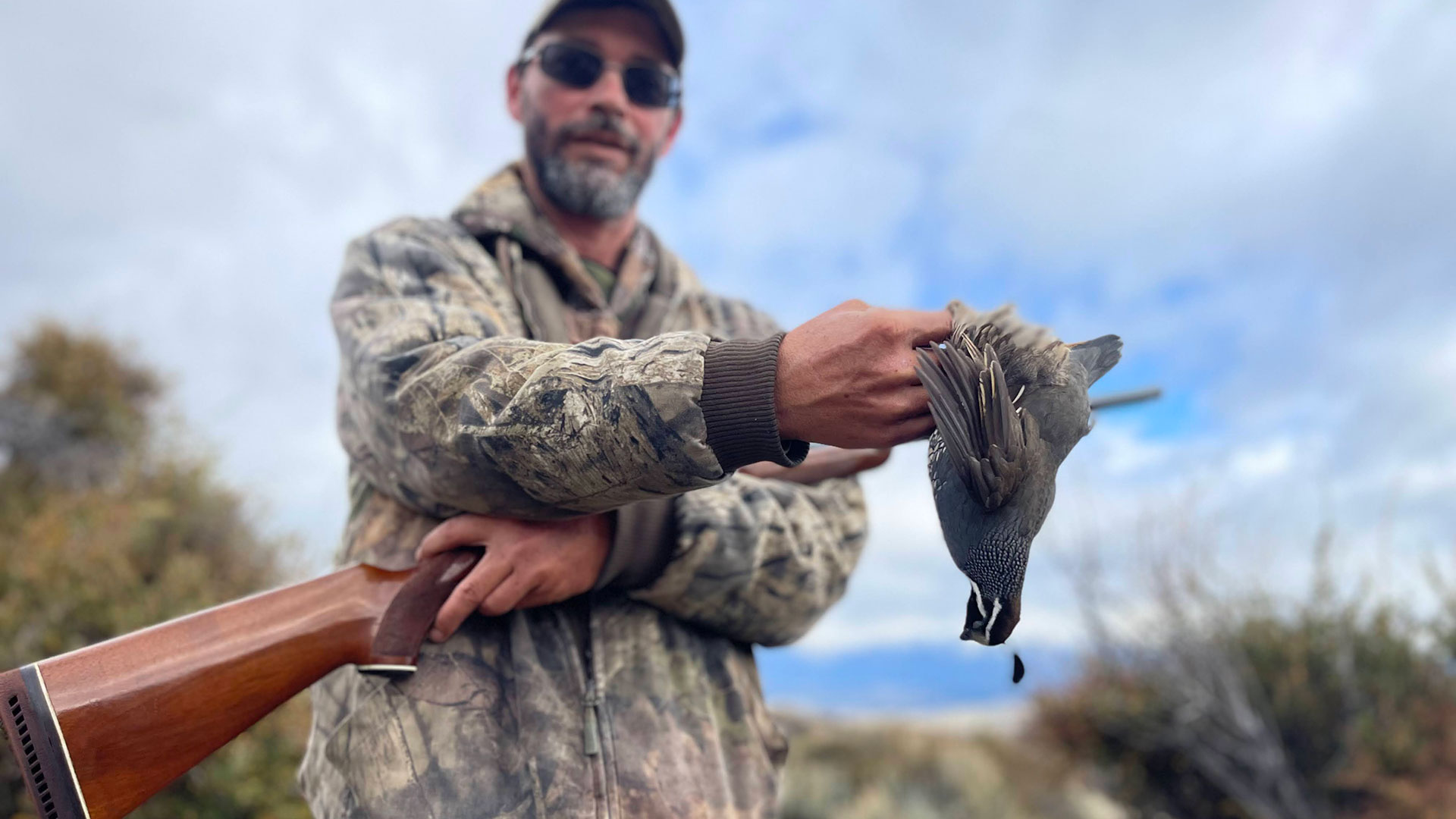
As a kid, my Dad and I walked up to farmhouse doors all over the Midwest and the Northwoods asking permission to hunt pheasants and grouse and back then it had almost always been granted. The hunting was so good in those days we almost always stopped back on our way out to leave some well-appreciated birds for the landowner's table.
Yet, days like those slowly became rarer, and by the time I was in high school, I'd watched sadly as the number of "No Trespassing" signs grew on fenceposts. Access itself became a commodity, and the population of birds plummeted at the same rate fencelines and brushy edges disappeared beneath new satellite-guided farm equipment and row crops.
The whole thing stank.
In retrospect I think that's one reason I turned my attention to fishing. And come to think of it, probably part of how I ended up living down here to begin with. Subconsciously I was done with the States for a variety of reasons. Life had taken its usual sinuous route through relationships, breakups, career plans, and what back then I called "results." But one way or another, I had certainly given up on, and to be honest, almost forgotten about the birds.
So I moved to Patagonia almost two decades ago to work as a flyfishing guide, and about the last thing I was thinking about was hunting. If anything, since I knew I'd be working throughout the austral summers, that meant I'd be missing the hunting I was so used to doing back in the States. The seasons just didn't match up.
But though it took a while to get used to the summer solstice being in late-December, what didn't take long was figuring out I'd been happily mistaken about the lack of hunting. In more ways than one I'd landed smack dab in the middle of what I'd been missing for years.
I had only been in Patagonia a week or so when I was more than happily surprised, if also a bit confused, to see my first-ever California quail.
It was a solitary male standing atop a fencepost just across from me on a spring creek, bobbing his little head back and forth and clucking for his mate while trying to figure out just what the heck we were up to.
He immediately drew my attention away from the rising fish the client was casting to.
I'll never forget that moment as long as I live.
The fish ate, but I was so focused on the quail that the usual "Set!" command failed to escape my lips. Both the trout and the quail disappeared, leaving the angler and me to our respective silent mystifications.
That quail changed my life.
By the end of the summer, I'd come across dozens of coveys but still had no explanation for their presence.
I asked everyone I worked with and every neighbor all the questions I could think of and came up with practically no information.
Finally I managed to find a dusty book, literally in a box in the attic of the old Welsh library in town and written in English to boot. It solved the mystery and set the hook in my jaw for good.
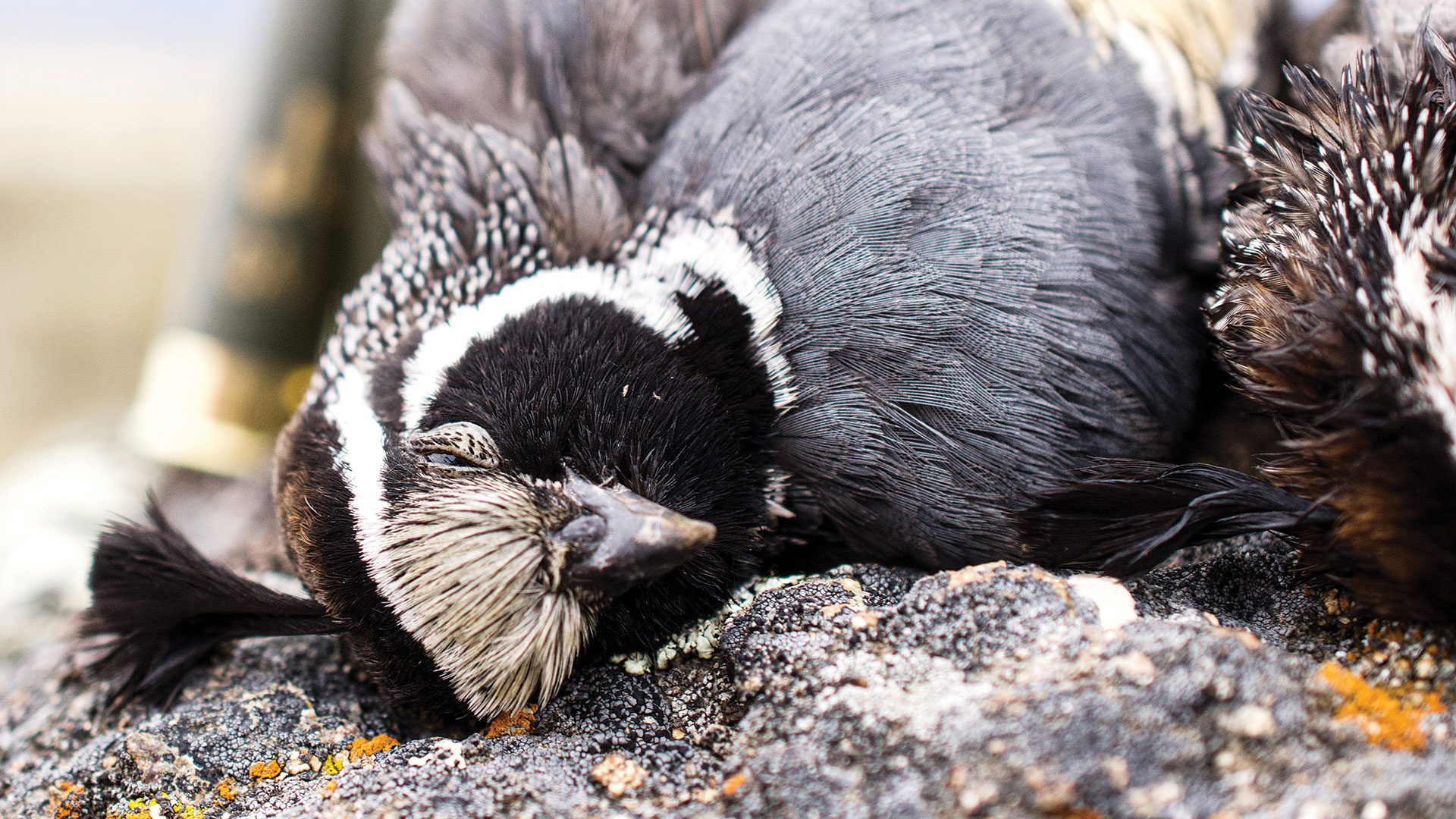
As it turned out Callipepla californica were introduced to Patagonia multiple times in various locations, with the first recorded release occurring on the Chilean side in 1864. As with other introduced species such as trout and red stag, the birds flourished in some environments and disappeared in others.
Based on topography, the birds I have around me in this region of Patagonia are likely descendants of a 1943 release on an estancia some 270 miles to the north of here. Over the past 80 years, they have slowly but surely worked their way south, expanding their population as quickly as their range.
Coveys I flush these days often number 100 or more birds early in the season and come off the ground like thunder.
I've yet to see a first-time visitor from the States get off so much as a single shot on the first rise of the trip. Instead, they inevitably just stand there with a look of almost existential confusion fixed on their faces as the quail disperse and settle back into the landscape.
My return to bird hunting came gradually after that first year. California quail were a new species for me and quite a bit different from the pheasants and grouse back home, though there was enough similarity to get me off on the right foot.
Back then, so far as I know, we didn't even have a set season. We certainly didn't have game wardens. I simply started hunting in the fall when my flyfishing guide work ended and kept putting miles under my boots all winter.
Some of the estancias I hunted were tens of thousands of acres, and there was a lot of ground to cover – not to mention an awful lot of birds.
Even today there are no legal limits, technically because quail are a nonnative species, but also because the population is still growing and their range continues to expand southward.
California quail in our area nest midsummer, and split up at that time until they're so spread out they almost seem to disappear. Clients still spot them now and then as we drive from stream to stream – a pair here and there, sometimes with chicks – popping out onto the gravel to run a few yards before disappearing back into the cover. Most guests, if it's their first time down, are just as surprised to see them as I was when I first arrived.
By the time fishing season closes May 1, they're all running around together again, and it's time to trade the oars and the net for the boots and the Ithaca.
In the early years, after one of those big covey rises I'd sometimes work the same birds for an entire afternoon, spreading them into smaller and smaller flushes until I got down to singles and pairs. I was still without a dog back then and I spent a lot of time looking for downed birds, but I almost always came home with a dozen or so.
These days, I prefer to let a covey reconvene after flushing it only two or three times before moving on. I know there are more to be found, and my affection for these beautiful little creatures has grown to the point that I feel almost the same way about them as I do the brook and brown trout I release back into the streams after a catch.
Sometimes I almost wish I could put the quail back once the dog has handed them over.
Admittedly, though, they're so remarkable on the plate that my arsenal of recipes continues to grow.
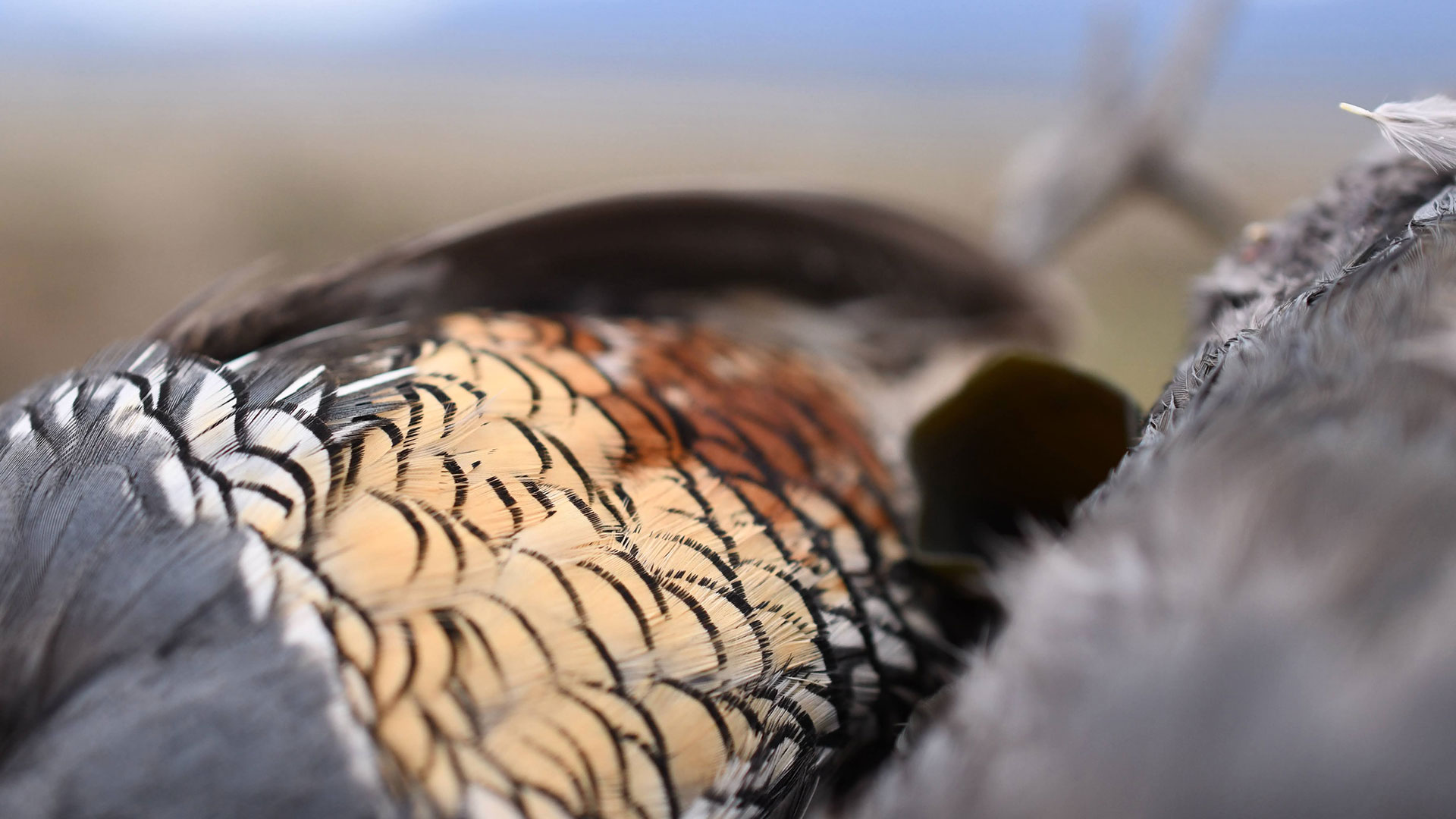
My move to Patagonia had been almost as temporal as it was spatial. I had landed more than 6,000 miles from where I'd grown up, yet in many ways I'd also returned to the landscape of my youth.
In most senses, we are "behind the times" down here, by about as many decades as the quail have been around. There are still more carburetors than fuel injectors under the hoods of trucks, and the only signs on fences and gates are the names of the estancias behind them.
And despite the fact that I can admittedly see the beginnings of change, it is still just as likely that I'll receive a yes as a no when I ask permission to hunt a property. By now, though, my catalog of places to hunt has grown expansive enough that I don't have to do much asking anymore.
I'm thankful for that in more ways than one. In addition to providing me with so many memories from those early years, it has also allowed my own kids to experience a community and a way of life much like the one I knew growing up in the States.
The bag of memories I'm filling with them is even richer.
These days when my daughter and I are out after quail most of the estancia owners who first gave me permission to hunt their land all those years ago don't even need a knock on the door. They recognize our Hilux and long ago figured out that the Herefords aren't startled in the least by the dogs or the gunfire.
We still stop by just to visit, sharing mate and talking about the weather, just as hunters, neighbors, and ranchers do all over the world. And despite the fact that I never quite managed to lose my accent, by now they all consider me a neighbor.
I'd love to say we leave them a few birds for their tables, but the truth is they still think I'm nuts for wanting to shoot quail, much less eat them. More often than not, we leave with a quarter of lamb on top of the bag of birds we've harvested.
This is Argentina.

Your cart is empty