
Hunting & Heritage
|
08/26/2026
Quail Don't Care About Your Pessimism
Why Habitat – Not Nostalgia – Still Holds the Answers.
by Russell Worth Parker
Related Articles


I am a freelance writer who writes about hunting – a double whammy of self-indulgence that means I spend at least as much time pondering hunting as doing it.
Between the two, I likely spend too many hours inside my own head, which makes my trips to the woods critical in finding some essential aspect of reality amidst the algorithmically curated blather of an increasingly virtual world. For me, hunting is a quest for moments of transcendence as much as a meal, and I have no regrets about time spent afield.
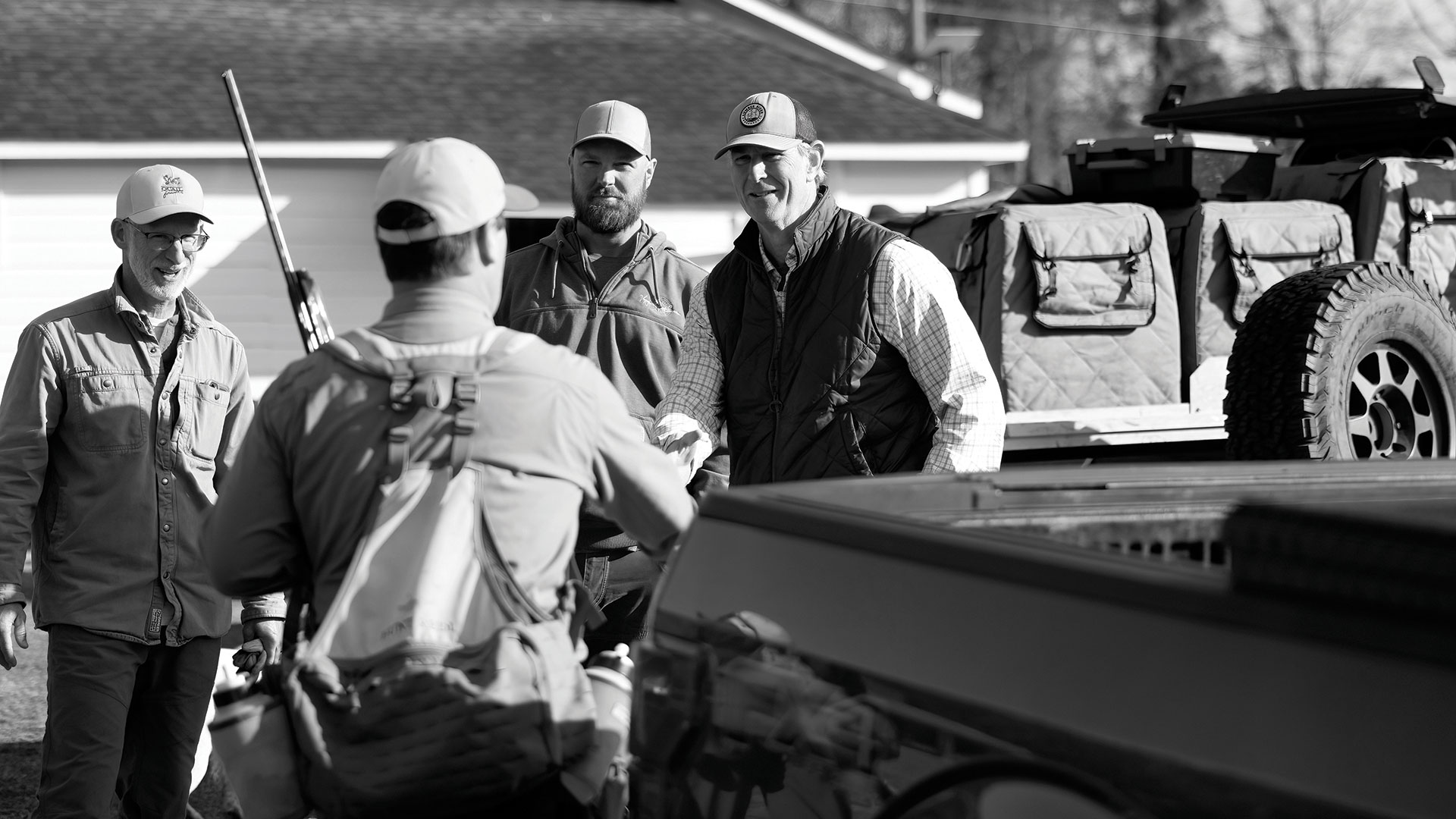
I believe many of my fellow hunters feel as I do, a conclusion I've come to while traveling to places I've never been to spend time with people I've never met – most of them armed.
It's an environment where a campfire level of commonality helps, and my conversations in those moments have been as essential to framing my beliefs as time spent reading Posewitz or Ortega y Gasset.
If the pursuit of transcendence is something hunters largely share, so too is the fundamental optimism required to miss sleep while walking for miles or sitting for hours, often enduring the worst conditions for things that could be easily secured in a 15-minute grocery run. It all leaves me wondering how adherents of a pursuit predicated on hope and passion – people dedicated to the ideals of conservation – can also be such inveterate pessimists about it.
Something about hunters seemingly demands we venerate the old days and decry the current state of things. In fact, if you listen to many of the people calling themselves conservationists today, it would seem a pointless effort. Whether in South Dakota parking lots or South Carolina deer camps; Arkansas duck lodges or Florida quail plantations, I hear, "Public land quail? Seriously? Those days are long gone. Just go to a preserve." Or, "With turkey numbers where they are compared to a few years back, I may as well not go out this season." Maybe it's, "You should have been here back before the flyways changed. Doesn't matter though, a public boat ramp is just NASCAR on the water with all these ‘influencers' out here." But here's the secret: It's always been this way, even back in the good old days.
My great-grandfather, Louis B. Campbell, known as Bub, was a dog man and quail authority from Union Springs, Alabama who won the 1935 Georgia-Florida Field Trials with a pointer named Chester. The son and brother of dog men, Bub managed Foshalee, a then-15,000-acre quail plantation in the Red Hills between Thomasville, Georgia, and Tallahassee, Florida, for 30 years.
Bub died decades before I was born, but I've come to know him in the whirring detonation of a covey rise, and the age-cracked leather binder he left behind, filled with old photos and yellowed newspaper clippings about dog trials, handwritten hunt reports and reflections on quail biology, and letters typed on onionskin.
That it all exists after eight decades is rare enough, but the names on the letters make them more so. Bub counted as friends and correspondents famed quail biologist Herbert L. Stoddard and his deputy, fire ecologist Ed Komarek. Quail plantation owners Henry L. Beadel and Gerald M. Livingstone, who gave their names and eventually their land to what is now Tallahassee's Tall Timbers Research Station, and William C. Potter, founder of Albany, Georgia's famous Blue Springs quail plantation, were all ardent conservationists with whom Bub discussed quail matters.
Reading words written by men long dead, I cannot help but think of the many "End of Days" conversations I've had with hunters of all stripes.
"Half the time, we can't agree on the problems, much less the solutions."
But Bub's letters reveal there is nothing new under the sun, that even at the height of quail hunting's history in the Red Hills, arguments around seasons, hunting days, bag limits, and hunter education were hot-button issues. Sound familiar?
Stoddard, author of the The Bobwhite Quail: Its Habits, Preservation, and Increase, wrote to Bub in 1944 decrying "theories and panaceas [sic]" like "closed or shortened seasons," "reduced bags," and "rest days" as a means of ensuring quail were publicly available. Stoddard advocated for large, private preserves – the plantations – asserting that game populations would bleed over to smaller properties and publicly accessible lands. As today's public land hunters might disagree, Stoddard protégé and Georgia Game and Fish Commission member Komarek advised Bub that Florida needed quail seasons "set by game commissions...for the best interest of the game, and secondarily the sportsmen." The friends agreed on the ends, but on trickle-down game management, not so much.
Plantation owners like Livingston and Beadel obviously agreed with Stoddard. But while both men considered statewide regulations a bad idea and committed a lot of ink, time, and money to opposing them, the methods of advocacy were a point of debate between them.
In a debate that might feel familiar to a Montana local tired of out-of-state campers at a trailhead, Livingston and Beadel copied Bub into their simmering dynamic in 1941 after Beadel suggested the New York-based Livingston should cost-share for lobbyists that Tallahassee local Beadel sent to the Florida legislature to advocate against statewide quail season and bag limits.
Writing to Beadel in 1941, Livingston expressed his preference for direct engagement, "I went to the state Capitol myself four or five times and consulted some of the legislators… knocking out these proposed bills." Beadel responded with an indirect accusation of carpetbaggery, saying he'd sent lobbyists as "Tallahassee businessmen who know the ropes do." Hunters can be a fractious lot.
So how best to solve problems that have existed for almost a century?
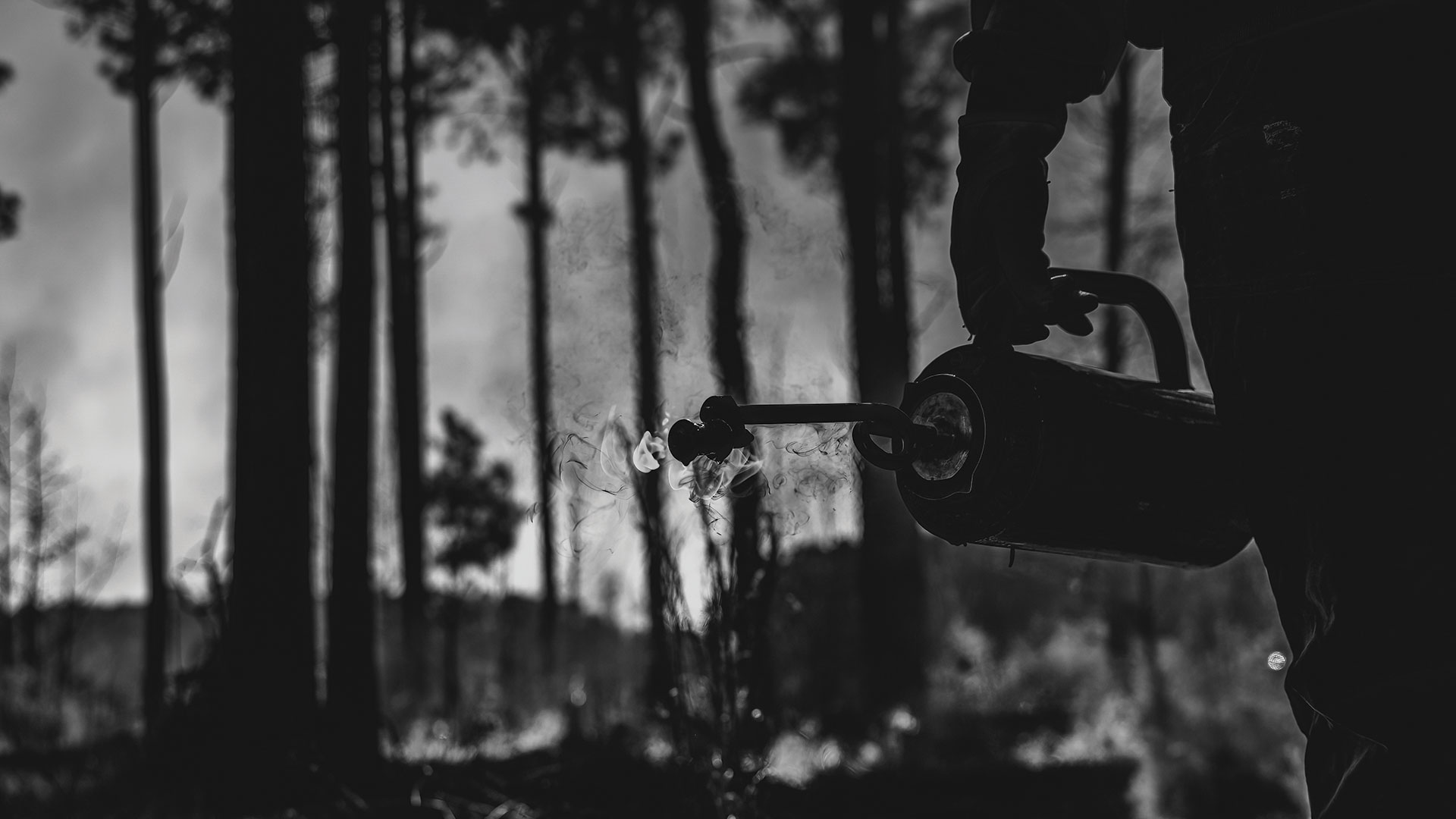
Habitat management of course, of which Stoddard wrote Bub, "The methods are now more or less standardized for any landowner to use." Focusing on overstory and groundcover management, largely by fire, Stoddard's was a methodology we ignore at our collective peril, particularly in the Southeast.
Education certainly matters, and Komarek specified its criticality in ensuring policymakers and hunters understood "much of our land needs attention before it will produce the game crops that we sportsmen want." As to conservation advocacy, Livingston and Beadel obviously both knew it was critical, regardless of the purpose or method each may have approved of. Again, sound familiar? If not, perhaps review the Quail Forever mission statement: "To conserve quail, pheasants, and other wildlife through habitat improvements, public access, education, and conservation advocacy."
Of course, it's not unreasonable to look back with awe at a time detailed in articles like the one Bub saved about the 1945 Georgia-Florida Plantation Trials held at Foshalee. The title is 62 Covies Moved in Four Hours, which tells you all you need to know. But while we're peering through rose-colored glasses, we should note that in 1948, only three years later, Blue Springs owner William Potter wrote Bub to say, "I regret to say that...anyone who still believes he has a right to expect free shooting as it used to be even up to 50 years ago is living in a dream."
It just ain't like it used to be. One more time, sound familiar?
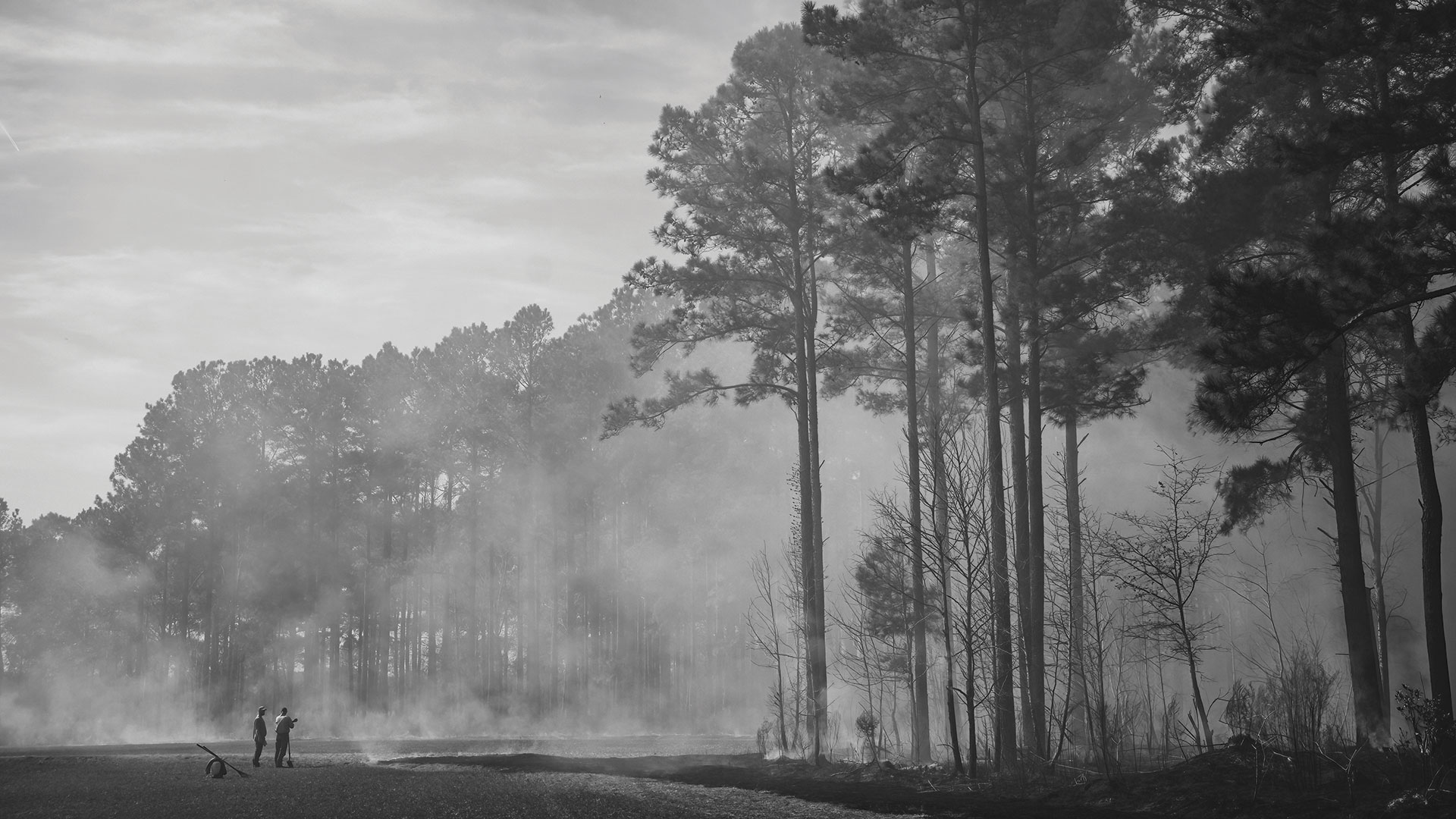
"The problems repeat themselves, the solutions do too."
Human endeavors, like the seasons, are cyclical. And just like the problems repeat themselves, the solutions do too, still springing from relentless passion and hard work.
So maybe we should fight the creeping tide of pessimism that threatens us and the creatures we love by focusing our common optimism on making the coming days more like the best of those past; more transcendent, if you will. Maybe we could start by heeding the words of that unnamed author back in 1945, "Folks, just think of 62 coveys of quail in four hours running. Can you believe it? It can be done. It has been done. Let's farm more for quail!!!!!"

Your cart is empty