
Habitat & Conservation
|
11/18/2026
75,500 Acres of Grassland Conserved in Texas
Conservation efforts on coastal grasslands net big improvements
by Gilbert Randolph
Related Articles


The coastal grasslands that stretch across Texas, Louisiana, Mississippi and Alabama’s Gulf Coasts are a unique and threatened ecosystem. Mottled ducks, whooping cranes, Attwater’s prairie-chickens and bobwhite quail depend on the health of these grasslands. Quail Forever, in conjunction with the Gulf Coast Migratory Bird Joint Venture and its partners, are proud to have completed more than 75,500 acres of coastal grassland restoration work in Texas since 2019, and the work is far from done.
Woody encroachment, fire suppression and habitat fragmentation are some of the main challenges these ecosystems face. Species such as mesquite, huisache, Macartney rose and Chinese tallow can quickly degrade grasslands. A combination of removing these woody species, getting prescribed fire back on the ground and other conservation practices are helping to secure the future of Texas’ coastal grasslands.
This is being accomplished through the Coastal Grasslands Restoration Incentive Program (C-GRIP), which provides financial incentives to private landowners for conducting these habitat treatments. Since 2019, more than 75,000 acres have been enrolled and improved through C-GRIP and collectively, the landowners who have participated oversee more than 275,000 acres of property in the coastal grasslands focal area. C-GRIP aims both to accomplish the specific goals of each contract, as well as give landowners the support and knowledge they need to expand those habitat management techniques to more of their land.
“C-GRIP is a gold standard program for Quail Forever in Texas,” says Thomas Janke, Texas state coordinator for Quail Forever. “The work that we’re doing with the Gulf Coast Joint Venture and its partners is delivering landscape-scale conservation work for one of Texas’ most unique landscapes. These coastal ecosystems support everything from upland birds and migratory waterfowl to nonmigratory waterfowl, shorebirds and whooping cranes.”
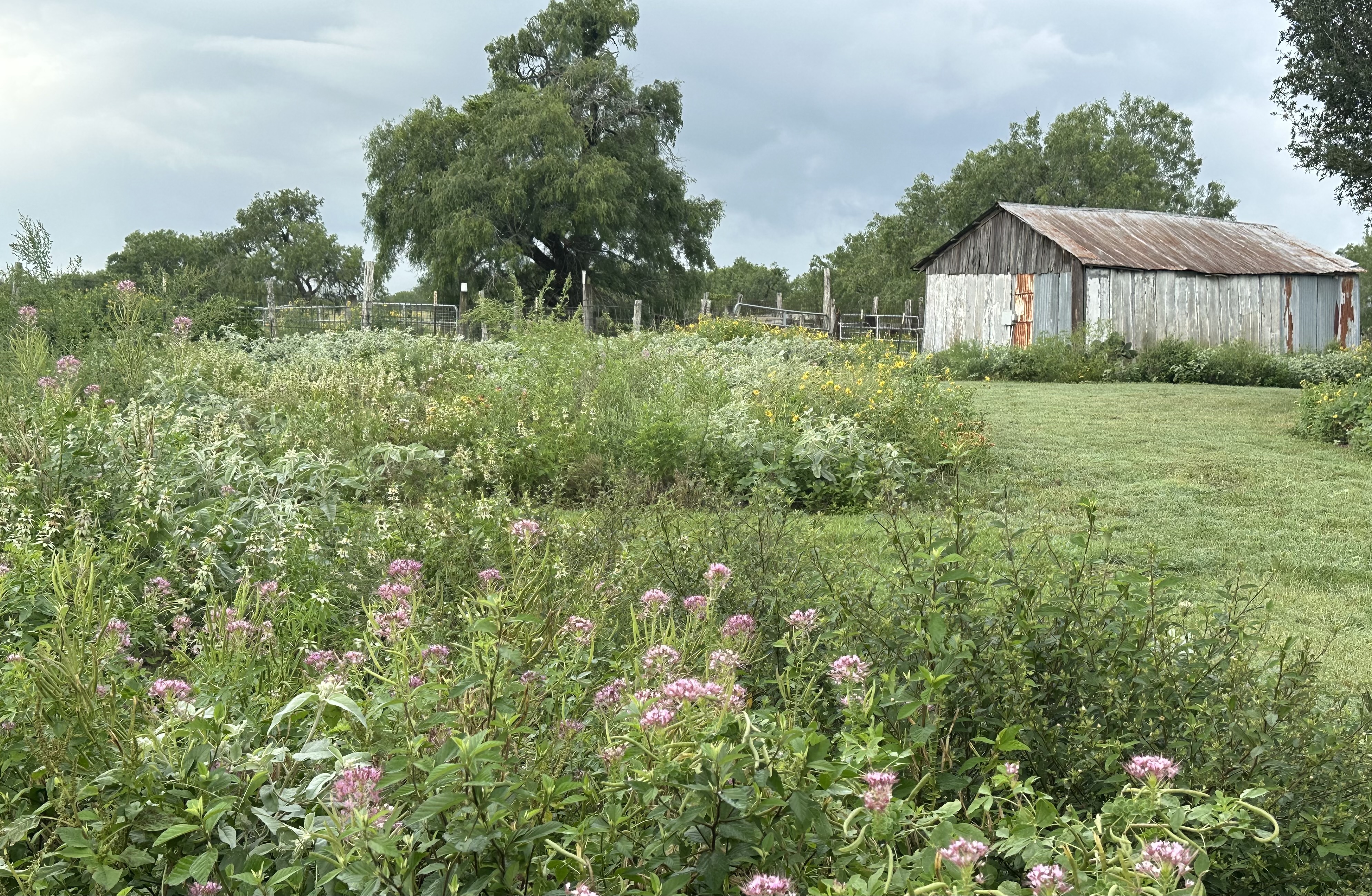
The program is administered by the Gulf Coast Joint Venture, who continues to be a vital partner with Quail Forever in creating better habitat in Texas. C-GRIP was modeled after programs such as the Natural Resource Conservation Service’s Environmental Quality Incentives Program (EQIP), which Quail Forever helps deploy across the quail range.
The benefits of restoring these coastal grasslands go beyond bobwhite quail. Mottled ducks, a nonmigratory species of duck that make Texas their home, rely on these grasslands as nesting habitat. Much like bobwhite, Mottled ducks need nesting and brood rearing habitat in close proximity, in sufficiently large acreages to be successful. C-GRIP helps to re-establish the native grasses these unique waterfowl depend on to hatch their young and stay safe from predators.
Attwater’s prairie-chickens, an endangered species, also benefit from the work done through C-GRIP. They need a mixture of tallgrass prairie and shortgrass prairie, much of which has been lost due to development, row-crop agriculture and unmanaged grazing. Kirk Feuerbacher, working lands program director for The Nature Conservancy, works with Gulf Coast Joint Venture in their efforts to bolster prairie-chicken habitat in the region.
“Working with landowners is a key part of helping prairie-chicken populations. The more we can help make the economics of owning land work, the better the landowners can manage for grasslands and hold onto their land,” says Feuerbacher. “Helping them to restore areas and do maintenance is essential, but if they have to sell land or can’t make a living off their land, it just contributes to that habitat fragmentation that makes life harder for prairie-chickens.”
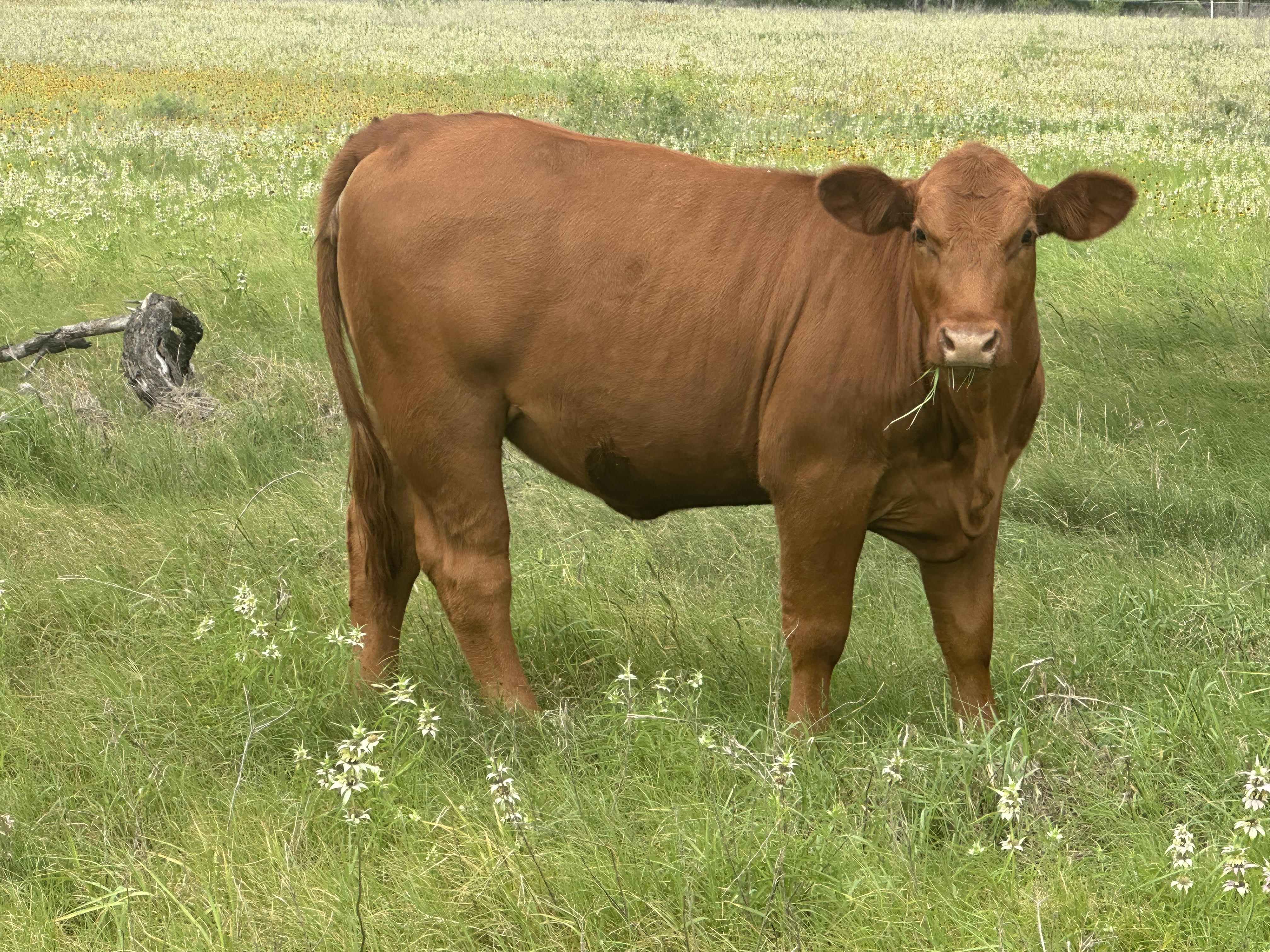
Rotational grazing and fencing practices can be a powerful tool for improving grassland health. These benefits extend to bobwhite quail as well. Increasing rest time between grazing in different paddocks allows for a greater variety of native grasses and forbs to grow, which in turn benefits the soil and native insects. Prairie- chickens and quail use these areas to feed on insects and seeds throughout the year. Native warm season grasses are also more drought tolerant and can provide a resilient forage through hotter, drier times.
Delivering real results from on-the-ground conservation requires the participation of multiple partners. Quail Forever, Texas Parks and Wildlife Department, The Nature Conservancy, Ducks Unlimited, the United States Fish and Wildlife Service, the American Bird Conservancy and others are all collaborating to ensure the future of these coastal ecosystems and the wildlife that call them home remain secure.
“There’s a lot of cross organizational trust in delivering this program. Our partners all have a part to play,” says Barry Wilson, Coordinator for the Gulf Coast Joint Venture. “All of our partners bring something unique to the table. Whether it’s the ability to handle administrative tasks and contracts, providing funding, building landowner trust and relationships and on-the-ground conservation expertise, we couldn’t do the work we’re doing alone. It’s really exciting to see such a broad group of people come together to steward these areas.”
Since 2019, more than $2 million has been invested in Texas private lands habitat conservation through C-GRIP. This funding has been comprised of agency, corporation, non-government organization (NGO), and private dollars. To keep pace with ongoing and growing conservation demands in this area, Quail Forever and Gulf Coast Joint Venture are actively seeking partners and donors to help scale up our conservation efforts and impacts along the Texas Mid-Coast.
Looking into the future, Quail Forever hopes to continue to build on these partnerships to deliver high-quality habitat for bobwhite quail as well as support Texas landowners as they work and steward their land. Learn more about the Gulf Coast Joint Venture and the C-GRIP program here. Landowners interested in making their property a better resource for quail are encouraged to reach out to a Quail Forever biologist. To learn more about becoming a partner, contact Thomas Janke at tjanke@quailforever.org.
Your cart is empty