
Habitat & Conservation
|
10/14/2026
Quail Forever in Florida partners with Conservation Pathways to help students find careers in conservation
Conservation Pathways, a nonprofit organization based in Florida, helps college and high school students get connected to conservation careers and professionals in that space.
by Rachel Holt
Related Articles


Sometimes to learn what a career in conservation looks like, you have to leave the classroom behind.
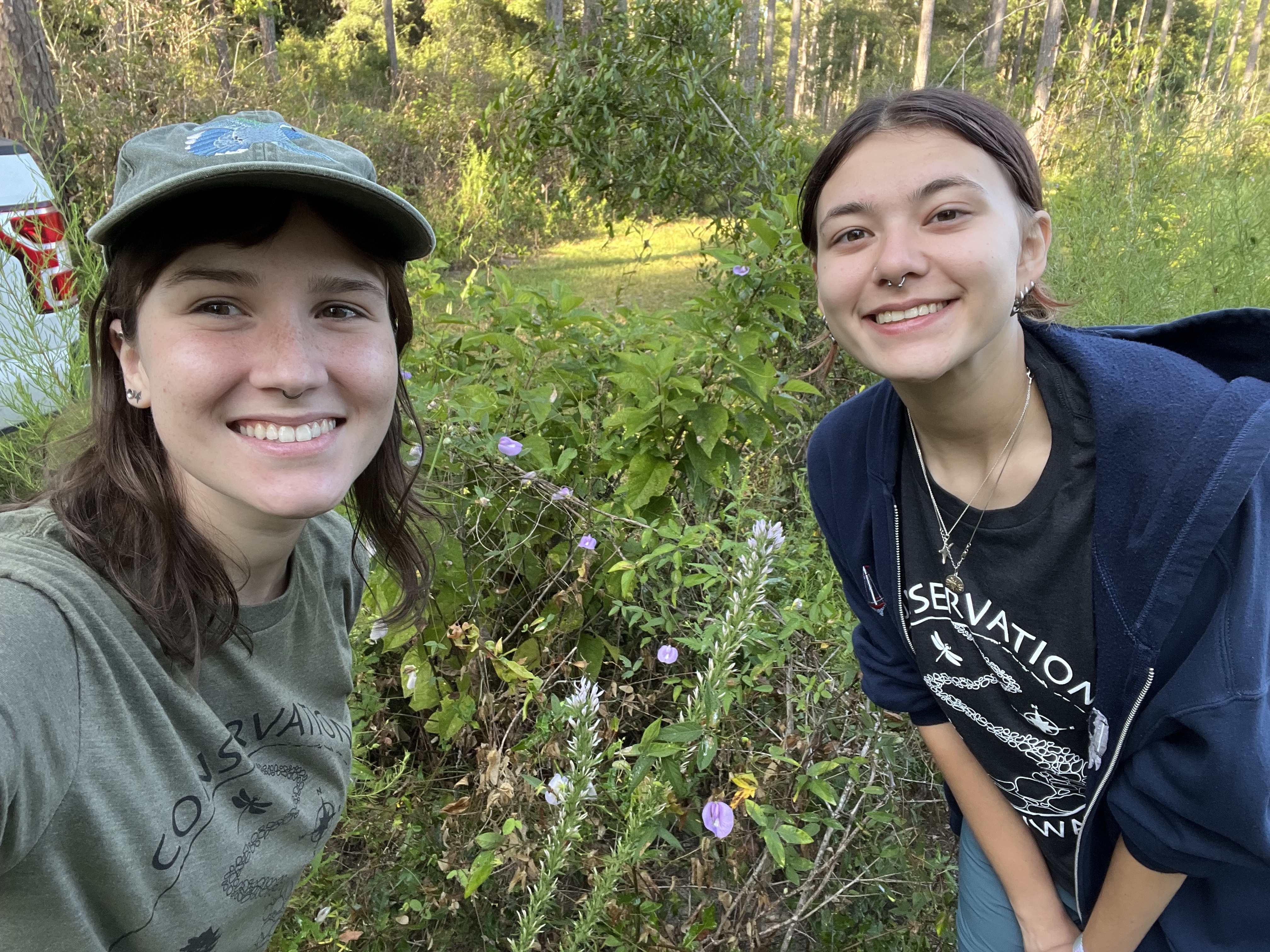
For students participating in Conservation Pathways, a Tallahassee-based nonprofit connecting high school and college students with conservation careers, it means getting out in the field, maybe identifying native plants, or listening for bird calls, and learning firsthand from conservation professionals what it’s all about.
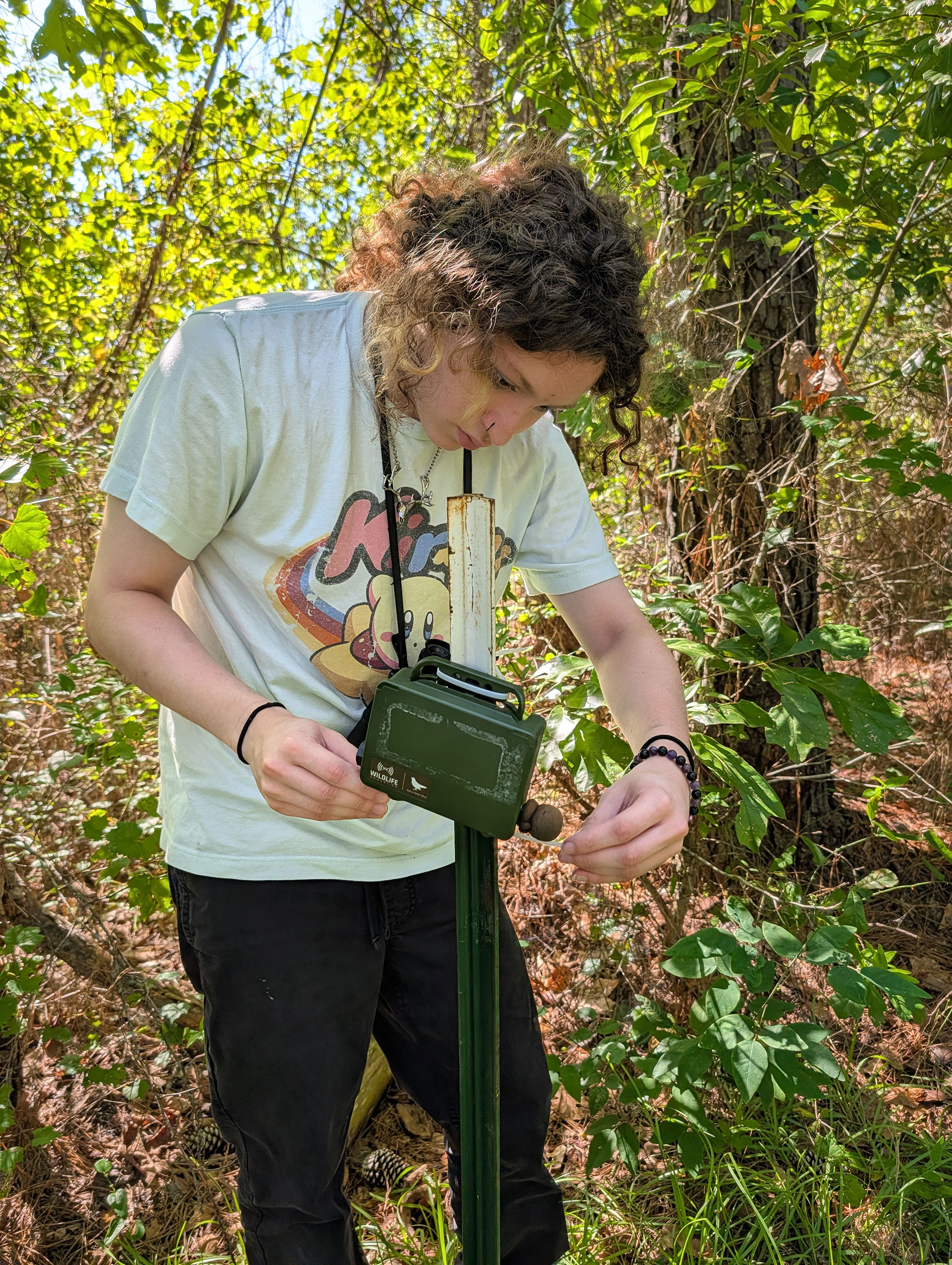
Through a partnership with Quail Forever, Conservation Pathway students have joined Florida Quail Forever farm bill biologist Nick Reynolds on private properties to conduct vegetation and bird surveys, explore the relationship between land management and wildlife, and ask questions about the many routes into a conservation career.
For Lily Quartermaine, a senior environmental science major at Florida State University and former Conservation Pathways intern, the experience offered a glimpse into facets of conservation she had not fully considered before.
“Conservation Pathways definitely gave me a better idea of the kind of jobs that are available to me, or ways I can use my degree, and how versatile it can actually be,” Quartermaine said.
“It made me realize how broad the opportunities are, and that I'm not shoehorned into one pathway, because there are many pathways to conservation.”
Rebecca Means, Founder of Conservation Pathways, started the organization after recognizing that students interested in conservation and environmental science often lack clear opportunities to explore the field beyond their coursework.
"Environmental science can be a very nebulous degree," Means said. "Helping students see all the different aspects of environmental science and where it fits in with local issues as well as national and international issues is important."
Based in Tallahassee, the nonprofit works with students from Florida A&M University, Florida State University (FSU), Tallahassee State College and local high schools, offering hands-on experiences and mentorship designed to help them find their place in conservation.
The program centers on four pillars: research, communications, professional development and nonprofits. Students may participate in fieldwork, practice explaining scientific concepts to general audiences, build relationships with conservation professionals and learn about the organizations that carry out conservation work.
Means said that conservation needs scientists, but it also needs communicators, economists, designers and professionals in many other fields.
Quartermaine said that broader perspective was a major reason she joined the program as a junior at FSU.
"There's a lot of extracurricular opportunities for bio and chem and other STEM fields, but there's sort of a void for environmental science," Quartermaine said.
Conservation Pathways helped expose Quartermaine to different approaches to conservation through nonprofit organizations, education, government and other professional settings.
Means said the goal is not necessarily to steer every student toward a particular job. Instead, the program gives them opportunities to discover what interests them, identify skills they need to develop, and learn how their education can translate into a career.
“You don’t know what you love unless you’re actually experiencing it."
The partnership with Quail Forever began after Means and Reynolds connected through a mutual contact. Reynolds welcomed the opportunity to host students and introduce them to his work with wildlife habitat and private landowners.
During field outings, Reynolds guided students through vegetation and bird surveys, teaching them how to identify dominant trees, shrubs, flowers and vines and recognize bird calls. He explained how vegetation influences habitat quality and how land-management decisions can benefit quail and other wildlife.
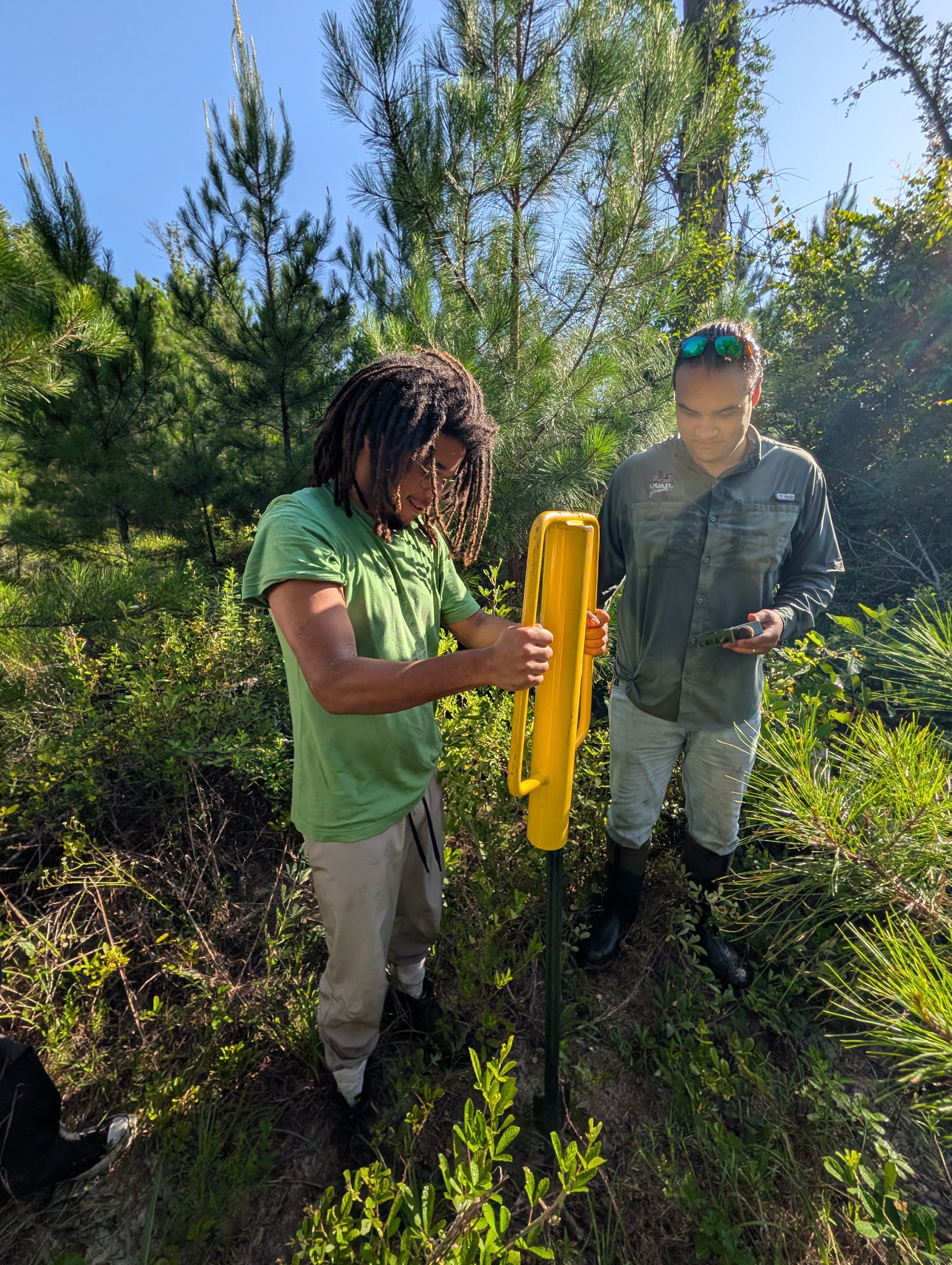
“The students really get an inside view of a working property. I talk through what management the landowner’s been doing, and how that management has benefited the land, the wildlife and everything else.”
The experience helped introduce students to the human side of the conversation. Reynolds explained his relationships with landowners, why he visits their properties, and how conservation professionals can help landowners manage natural resources.
Quartermaine and her fellow students also had the opportunity to ask about Reynold's education, career decisions, and day-to-day responsibilities. Those conversations helped connect the technical work they observed with the broader range of skills needed to succeed in conservation.
For Means, the Quail Forever partnership demonstrates the value of giving students direct access to professionals who can share both their expertise and their career journeys. Students gain practical experience while learning about opportunities they might not otherwise encounter.
Reynolds hopes the outings encourage students to become more involved in conservation and consider careers protecting wildlife and habitat.
By connecting students with working conservationists like Reynolds, Conservation Pathways helps turn classroom interest into real-world experiences and shows the next generation that there are many pathways to conservation.

Your cart is empty