
Habitat & Conservation
|
11/18/2026
PODCAST EP. 391: The Role Biologists Play in PF & QF's Habitat Mission
Behind every thriving pheasant population and restored quail habitat complex is a biologist working to make it happen.
Related Podcasts


Listen & Subscribe:
"On the Wing Podcast" is proudly fueled by Purina Pro Plan.
Episode Description
Behind every thriving pheasant population and restored quail habitat complex is a biologist working to make it happen. Discover what it takes to turn a passion for the outdoors into a career in conservation.
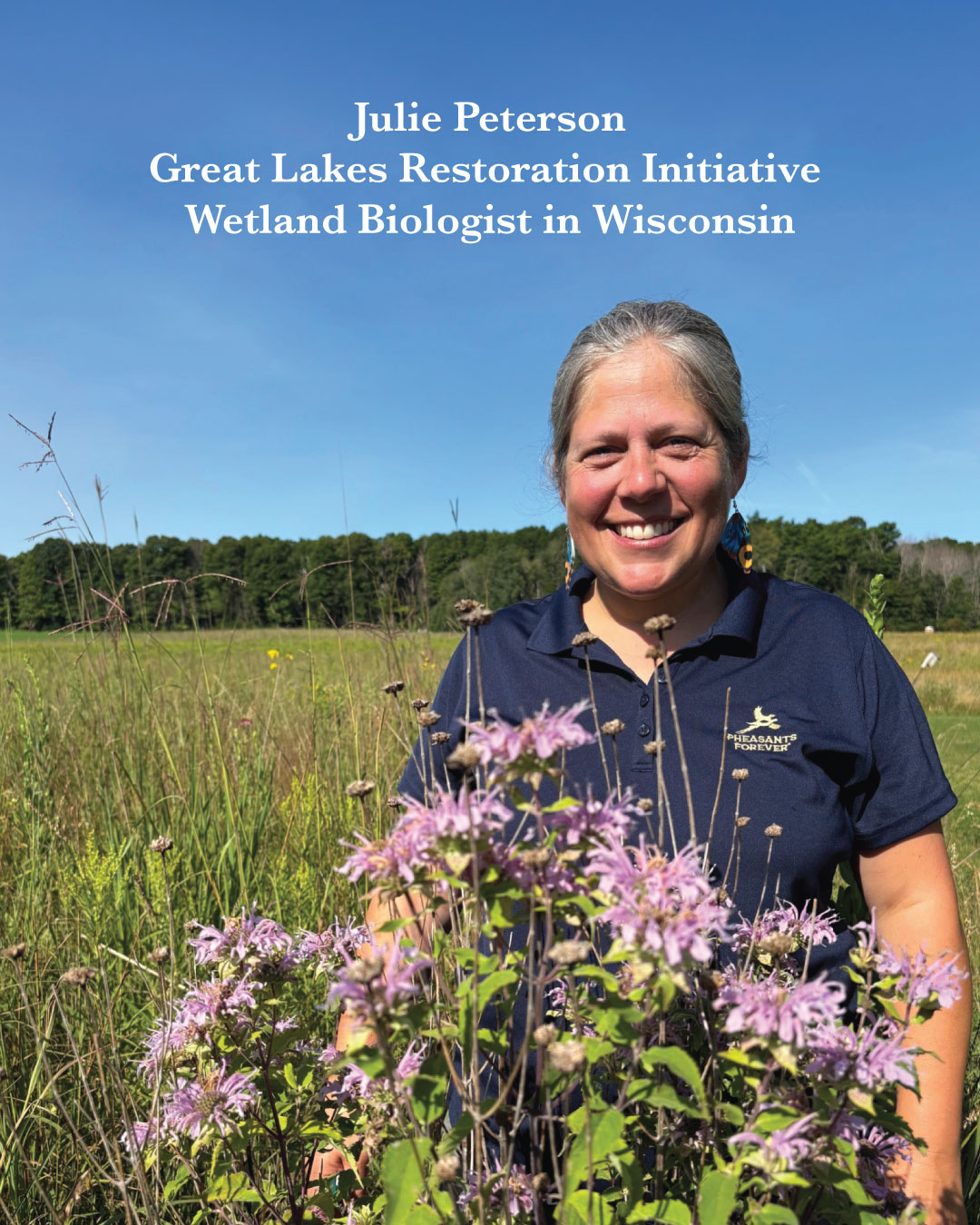
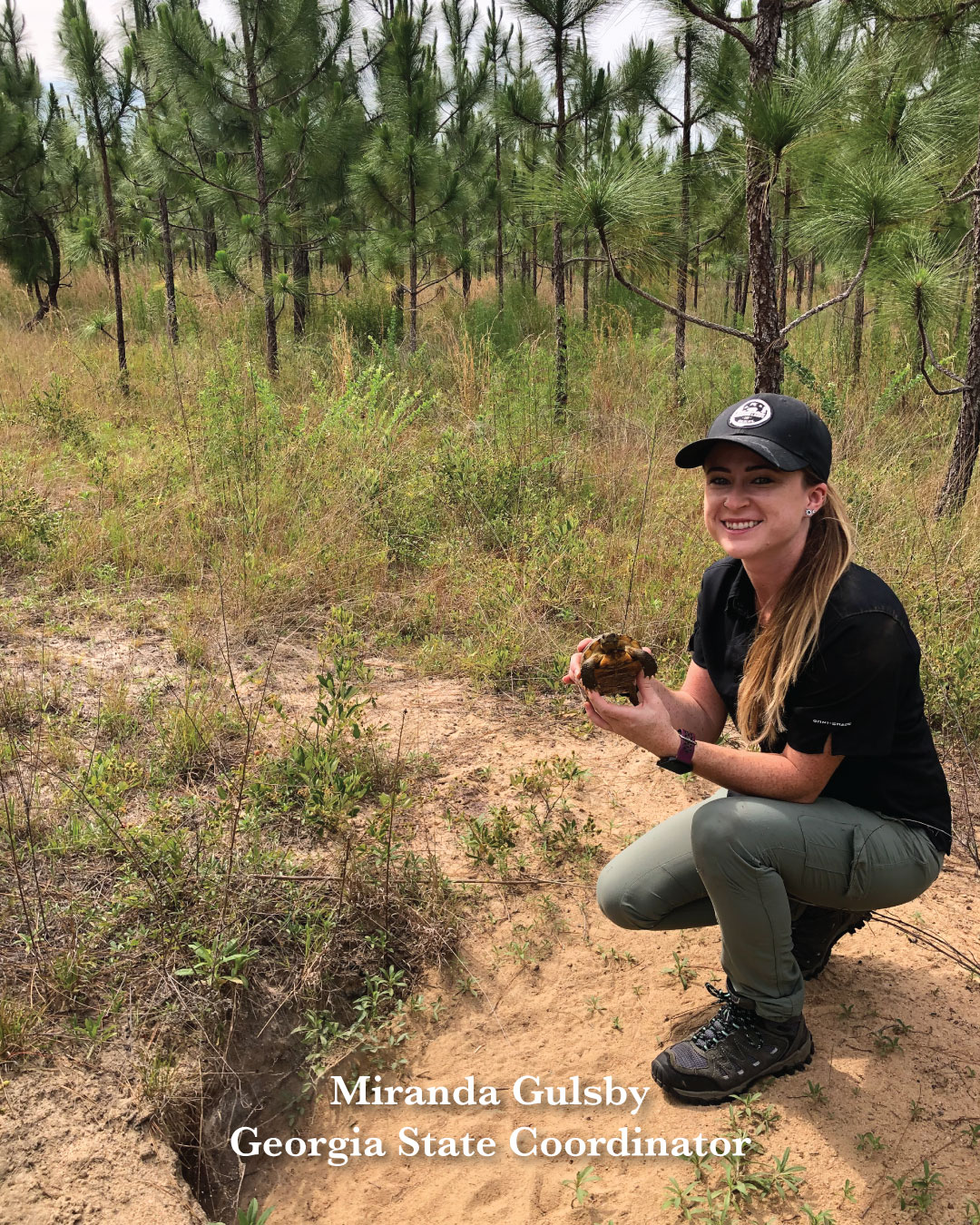
PF & QF biologists Andrew White, Julie Peterson, Miranda Gulsby, Alison Menefee, and Connor Jaloszynski share how they got into wildlife biology, what their jobs involve, and why time in the field is the most rewarding part. From wetland restoration and prescribed fire to native grasslands and bobwhite quail habitat, they show how science-based conservation leads to better hunting and healthier ecosystems.
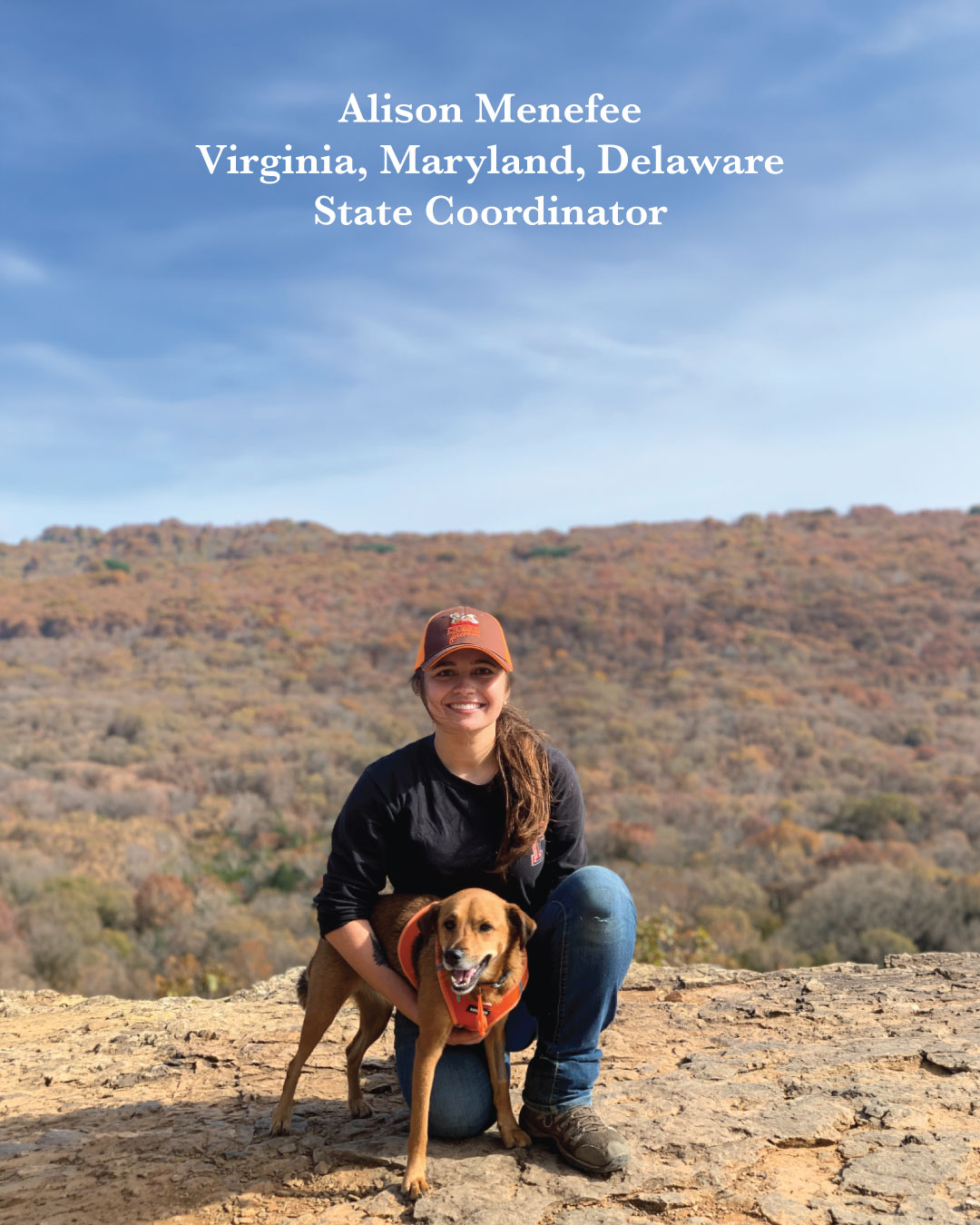
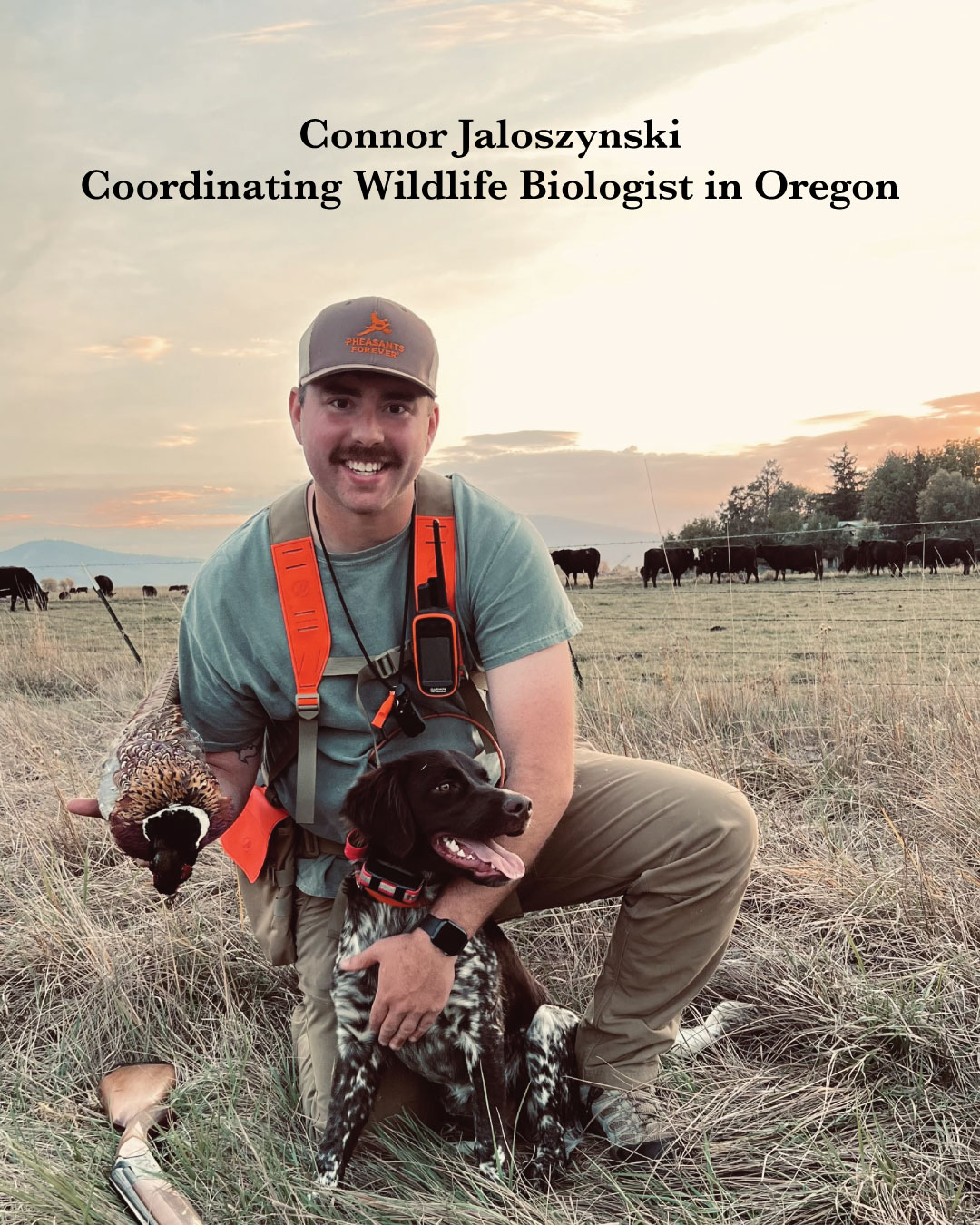
They also cover building a career in conservation, from degrees and internships to mentors and hands-on experience. Whether you're a young hunter, an aspiring biologist, or simply curious about upland bird conservation, you'll learn what it takes to make a difference on the landscape.
Follow the show for fresh perspectives and weekly conversations celebrating upland hunting, conservation, and bird dogs.
Show notes
Check out PF & QF's Opening Day – Missouri video, which celebrates the role biologists play in PF & QF's wildlife habitat mission.
Talk to a PF & QF biologist near you through our Find a Biologist map.
Check out PF & QF's careers page for current employment opportunities.
View Transcript
Speaker 1 (00:51.046)
Welcome to On the Wing Podcast presented by Purina Pro Plan. Earlier this month in early November, we released the third installment of our Opening Day video series.
You may recall the first episode of Opening Day took place in Minnesota with the Hildebrand family. The Captain Billy Hildebrand, who I do KFAN radio with every single Saturday morning, that was episode one. Then I went back to my Michigan roots and hunted with mom and dad and my brother in the UP for Rough Grouse. That was episode two.
And then this year's video, which just came out, took place last year, Opening Day in Missouri. For the quail and pheasant hunting season, the 2025 opener, and it focuses on a father and son biologist, dynamic duo, Andrew White, my co-worker, Quail Forever State Coordinator for Missouri, and Bill White, Andrew's dad and longtime biologist, actually a partner of Quail Forever on many levels, who worked with the Missouri Department of Conservation.
So, Opening Day, film number three, out now. It's on our websites, pheasantsforever.org, quailforever.org. It's on our YouTube page. It was sponsored by Chief Upland, Irish Sider Boots, and CZ Shotguns.
So I'm gonna start today's conversation with Andrew in a recap of what just took place, the 2026 Missouri Opener. And I'm gonna ask you how that went, Andrew, but I also wanna know after that hunt, yougot yourself a CZ shotgun of your own. You became a pretty big fan of that shotgun. Did you use it on the opening?
Speaker 2 (02:54.84)
I did not this year, but I did have it as backup just in case my 16 gauge did not cooperate. But yeah really excited to get in the season. It's hard to believe that its already been a year since you were down in Missouri. And to be quite honest I was a little little concerned of what this year was going to shake out. I live in North Missouri and the local public land area that I love to go to on the opener. I mean we we saw a lot of rain this spring so I was real worried and all really all throughout summer. but on top of that it was warm. Before the sun even rose it was fifty seven, fifty eight degrees and knew the dogs were gonna struggle to smell. There's gonna be mouth breathing. And it we did get into It did take us a little bit.
Speaker 1 (03:39.918)
They're gonna be mouth breathing. I've been accused of that.
Speaker 2 (03:42.254)
Same, same for sure. For sure. But we knew it was gonna be a little bit of a struggle to get into the birds and we knew that they were out there and in fact you know we got there early enough try and reserve our spot so to speak, our parking spot and we're able to hear covey calling and we heard seven to eight coveys in that immediate area where we were at. So yeah. like I said, it it did take a little bit of time to get into them. A nd it was warm enough that they were running on us.
And Bobwhite typically aren't runners. They're you'd think of the runners like the southwestern quail species. Those are definite runners. Bobwhite usually not so much, but whenever it's warm, they absolutely do. And they were running on us for sure. we'd have a dog stick point and you could hear running and but we did scratch out a few birds. We did not get skunked. It was a good opener. It was warm. hunted with dad again. that's our tradition as you know.
We were glad just to get out there. Even if we didn't get into any birds, we heard we knew they were out there, got to watch the dogs work and and for both my dad and I, I think watching the dogs work is probably our best our most favorite part of it, aside from hunting with each other.
Speaker 1 (04:50.541)
Yeah. I remember a particular I think it was the third field, third third public land area you brought me to. There was no way I was ever possibly gonna be able to run through that. It was you know what I'm talking about. It was it was giant ragweed.
Speaker 2 (05:06.776)
Yeah, yeah. So that that property was one of our our new properties acquired through Build a Wildlife area. we partnered with Conservation Department on that is in Harrison County, real close to the Iowa line there and it had previously it was previously cropped. It was in soybeans and conservation department had planted it to n a diverse, you know, planting of natives and that first year you never know what's gonna come up, especially if it's been cropped and it was a massive flush of ragweed and
When I heard Ragweed when they told me that, I was like, Man, that's gonna be perfect. I'm gonna take Bob there. It's gonna be a Ba walk property. There's gonna be birds out there. It's gonna check all the boxes. We're gonna get all the footage we need. And yeah, I'm I'm six three and it was another two or three foot above my head. and so it was we did a quick loop, oftentimes calling out to each other 'cause we couldn't see each other.
Speaker 1 (05:59.434)
We could you know, n normally when you go someplace for the first time, they bring you to that field first. Yeah, right? Like, yeah, we're gonna we're gonna really make a pay. but I did still wonder when you brought me to that, I was like, gosh, I thought Andrew and I were friends. And
Speaker 2 (06:19.082)
I just I just remember I just remember getting back in the truck. My whole my whole idea behind that on the you know, doing that as the last one of the last fields is to get you guys that way you weren't backtracking, it was gonna be on the way home. And I just remember getting back in the truck. I like, Man, Bob's gonna hate me.
Speaker 1 (06:34.958)
That was some of the most vicious habitat I've ever been through. And vicious is the right word because it was it was attacking me. It wasn't cactuses like in Arizona, but that giant ragweed was I mean, I was pulling it, you know, stickers out of my underwear for two months.
Speaker 2 (06:51.896)
Yep. Well, and I will I will say, Eric Titsma, who runs our Bawa program, he's been in contact with Conservation Department, the area manager for that area. and I I had just seen an update on it and it looks it looks fantastic. It does not have ten foot tall ragweed out there. It actually looks really good this growing season. So it is definitely on the the list for this season as well.
Speaker 1 (07:16.258)
Yeah. Well, you know, publicly I wanna make sure and thank you and your father once again, your wife, your whole family for letting me barge in to opening day twenty twenty five. it it was a real pleasure to be a part of the white family for opening ceremonies and I I sincerely appreciated get to getting to know your entire family and that was really
Something that I'll I'll always remember and we were able to memorialize in episode three. hopefully our listeners can if you haven't checked it out already, please go to our website, YouTube page and watch the film. on top of sort of capturing a quail oriented opening day, which is a very important part of what I wanted to accomplish with this episode three, the biggest theme
That I wanted viewers to take away was that opening day Missouri is a celebration of biologists. And what listeners might not know, we have six hundred and forty total employees at Pheasants Forever and Quail Forever. Almost 400 of them have degrees in biology. I am not one of them. I I I started out I well
This is a kind of truth serum moment of the podcast. I I started off as a started off as a biology major for one quarter in college. And then I took organic chemistry. And Julie is on Julie's giving me a a gagging. That's the only B I got in college was organic chemistry. I changed my major and got straight A's the rest of the way. Andrew, do you remember organic chemistry?
Speaker 2 (09:12.586)
I I do. that was not that was not a a shining moment for me in my college academia. But yeah, it's it was rough. I did I did have to take it a couple of times. Persevered I I had to take it a couple of times. I backed out before those final grades actually stuck. So it was not on a permanent record or anything. yeah, I definitely definitely had to take it a couple of times for I you know
Skirted through there, but yeah, it's it's rough.
Speaker 1 (09:45.582)
You're a better man than I because I I succeeded in getting a B, but I it was an eye opener. I was like, uh-uh, there's too much math and biology for me. And I went I thought I was gonna be a teacher. I taught seventh grade like a field experience for a quarter, and I I learned this isn't for me. you know, my height.
was equal to seventh graders and they thought I was one of them. And that just didn't that didn't amount to my career path, but I digressed. so opening day is truly a celebration of biologists. And so so to set it up last week in preparation of this episode, I asked our four regional directors at Pheasants Forever and Quail Forever. And we have we have four
based on points of the compass, north, south, east, and west. And I asked each of those four regional directors, I want one name. I want one biologist on your team who simply loved their career as a biologist. I want them to be the on the wing podcast guest for this celebration of biologists as a career
in colla as a companion to the opening day Missouri film. So joining me today is Andrew White, Missouri state coordinator for Pheasants Forever and Quail Forever is gonna serve as my co-host. But the four names that were brought to me as the epitome of biologists within Pheasants Forever and Quail Forever. Starting us off, we got Julie Peterson.
Great Lakes Restoration Initiative, Wetland Biologist. That's a mouthful. That's a big business card, Julie. From the state of Wisconsin, calling in from Green Bay. We got Miranda Gulsby. Did I pronounce that correctly, Miranda? Yeah, okay. Miranda Gulsby, the Georgia State Coordinator. Alison Menefee. She is the state coordinator for Virginia, Maryland,
Delaware. Andrew, you're like slouching it with one side. Allison's got three. And Connor. Connor, you're gonna maybe have to help me butcher your last name here. I'm gonna take a swing, buddy. Jalazinski. my gosh! we hadn't ever talked about verbalizing your last name at
Speaker 2 (12:23.042)
That's correct. There you go.
Speaker 1 (12:33.708)
I'm one for one. I feel pretty good about that. Connor is the coordinating wildlife biologist for Oregon. so we're gonna talk a little bit about why they think they were nominated, what they enjoy about their career as biologists, and we'll dive into kind of this is a career day for on the wing podcast, if you will.
as we get rolling, I once again want to thank Purina Pro Plan as the national dog food sponsor of Pheasants Forever and Quail Forever, and the presenting sponsor of On the Wing Podcast. My pups have always eaten Purina Pro Plan from Tramel the Little Winter today. My pups have always had Purina ProPlan in the bowl. Not just because Purina supports the wildlife habitat mission of our organization, but because Purina Pro Plan was.
Built for the working bird dog like yours and like mine. The recipe was created for our pops. You can learn more at proplansport.com.
Speaker 3 (13:38.894)
From Pheasants Forever and Quail Forever National Headquarters in St. Paul, Minnesota, this is Mikayla Peper reporting from the Upland Newsroom. Let's dive right into stories from the Habitat Organization and across the American Uplands. Is my sporting dog in shape? Perhaps you've thought this if you recently had a long day in the field and your bird dog couldn't quite keep up. Chronic obesity is a major driver of health problems and injuries in dogs, which is why a recent article on PF &QF's website
highlights tips for keeping dogs at a healthy weight with advice from Dr. Ruth Ann Lobos, senior veterinarian at Nestle Purina Pet Care. A 14-year study of 48 Labrador retrievers determined that dogs fed a leaner diet tended to live longer. But before you hold the kibble, the Purina Institute developed a body condition scoring system to help you first determine where your dog is at before adjusting diet. To find out where your dog falls on a scale of one to nine,
And to gain tips on dietary changes for dogs that are either underfed or overfed, read the article titled Is My Sporting Dog in Shape? on our website under Upland News and Media and then the Articles tab. If your dog falls outside the ideal condition range, no worries, it's not too late to make mid-season meal plan adjustments. Have you ever taken a close look at the Woolly Bear caterpillars as they wiggle across roadways throughout the fall? Well, if you have, I bet you've heard of their winter forecasting power.
According to a centuries-old folk tradition, the more black you see on a woolly bear caterpillar, the colder and snowier the winter will be. A wider rusty brown band in the middle? You're in luck. A milder winter is supposedly on the way. However, biologists have found that the size of those colorful bands is actually influenced by the caterpillar's age, growth rate, genetics, and hatching conditions, not its ability to predict the weather.
Still, that hasn't stopped generations of Americans from consulting these fuzzy forecasters every year. Some people swear that the woolly bear forecast is more reliable than a meteorologist's Winter is on the horizon, so before it's too late, check to make sure your fuzzy socks from last year don't have any holes in them. Reporting from PF and QF headquarters in St. Paul, Minnesota, I'm Mikayla Peper.
Speaker 1 (15:57.582)
Julie, thank you for your patience. That was a long-winded intro. I'm I introduced you as the Great Lakes Restoration Initiative Wetland Biologist from Wisconsin. Tell us what you do with that big title.
Speaker 4 (16:14.006)
Yeah, it's it's really just being a wetland biologist. in the Great Lake. Around the Great Lake.
Speaker 1 (16:21.358)
It's descriptive.
Speaker 4 (16:24.174)
Right, right. and it's working really closely with the agricultural conservation easement program, the with USDA and NRCS there. Their easement program is what I mainly focus on in the Great Lakes area of Wisconsin. And a number of years ago, s a special pot of money was given to really bring in some permanent acres, you know, in about twenty counties.
in Wisconsin. So that's in the last three years that's what I've been focusing on, but I don't know how they picked me.
Speaker 1 (17:03.99)
So so that is that is that's come up with each of the four of you like how what what am I nominated for? so y you have to have some inkling. I mean you you are correct me if I'm wrong, Julie, you're the longest tenured biologist. Well, you're not a farm bill biologist anymore. But for a while there, you were our longest tenured farm bill biologist. Isn't that is my memory right?
Speaker 4 (17:32.492)
I was close, but I'm not quite sure. but next February will be nineteen years with the organization. And I just can't believe it when I say it. I'm like t almost twenty years at this place working with landowners, chapters, partners in northeast Wisconsin. I'm it's it's humbling. It's very humbling. And I feel very lucky.
Speaker 1 (17:58.296)
So tell me why you think you were brought forward as somebody that loves their job. What do you love about your job?
Speaker 4 (18:10.712)
I really love being in the field with landowners and showing them and farmers and agency people, but just really connecting on what we're looking at. you know, plants, animals, helping them achieve their goals for their land and just learning from them as much as I teach anyone else anything. That's that's
over the years has been pretty special is to learn from all the people that you come in contact with with this job. It's pretty remarkable to
Speaker 1 (18:50.508)
You you kinda answered what I believe to be w another question I had, like, what's your favorite element? What's your favorite task? You sorta answer that in the field. And that's often kind of the lament when I talk to biologists who are like, I just push paper nowadays. I don't get to be out in the field anymore. but it sounds like you still get get enough
interaction out there in Mother Nature. Is that true?
Speaker 4 (19:22.358)
It's true. And you're right. We are really good at paper pushing in this organization. We have to be, I mean, taxpayers rely on us to cross T's dot i's so that they know that their, you know, hard running is going to good habitat projects. So and good things on the landscape. So that's what I hang my head on when I'm like, more paperwork. It's good on the landscape.
Speaker 2 (19:52.802)
Yeah, so and that, you know, this for Julie and this is honestly for everybody. You know, she mentioned the field. That absolutely was one of my most favorite parts of being a biologist. And you know, seeing those landowners succeed and it's as I've moved through the ranks and state coordinator now, you know, seeing my team succeed, that's it see that shift and seeing that success has always been the main part of it. but what specifically about the field is it for you that just
It's the thing look forward to most. for me, those early morning covet counts was some of the best. again, going out with some of my favorite landowners. You know, there's there's multiple things that just the field makes it the best thing in the world when you're a biologist, a field biologist. But what I want to know specifically from all four of you, kind of what that is whenever we we talk.
Speaker 4 (20:43.03)
Yeah, good. Yeah. You know, recently we restored one of our easements, about a ninety acre piece. And so over the summer I've been looking at it and monitoring and whatnot, and I came across a Blandings turtle. so seeing like endangered in the state of Wisconsin,
endangered and threatened turtles, you know, or plants that show up after you restore things or plant things and just really seeing wildlife respond to what you've helped to create is really like it just hits home you're like bam this is it you know not just blendings either i mean you have everything from insects and even the
You know, even a pheasant or a duck or whitetails or tur you know, turkeys, those are other species that you know, just seeing them out there really interacting with what is put out there is pretty neat. So
Speaker 1 (21:59.126)
If you think about offering a bit of advice to somebody listening that maybe is in high school right now and they're considering biology as a major, do you have any advice you'd offer a listener?
Speaker 4 (22:16.526)
Passion. Look for your passion or interest. Maybe. Maybe it's not a passion, but just what are you interested in? You know, is it a certain animal and want to know more about that? Or you know, maybe you like to forage. Maybe you want to you wanna collect mushrooms. Kind of scary, but maybe you want to, you know, venture down, you know, wild food collecting or whatever. you know, just jump into it.
And find the people locally. Maybe you want to learn how to fuss and hunt or do other, you know, outdoor things as well. Because I really think that as a biologist, being in the out of doors has really connected me to just the cycle of the earth and seeing that over time, you know, is something that really got me.
into biology. but really I I think if you're like I want to learn this or that, jump to it and find people locally who can help you explore it, research it, and maybe you'll find that you'll be the next person to help save a critter or, you know, protect a wetland or something like that. You never know what direction that may take you. Do
Speaker 1 (23:39.222)
You did you always know you wanted to be a biologist, Julie? I did. I always do. Yeah
Speaker 4 (23:44.001)
I did. Well, I kinda did because and it's a hard thing, to figure out what you want to do with your life. and I but I always say I'm not sure I still know. but yeah, when I was younger, my mom had a friend who was a bear biologist. And I was just like, Ooh, that's really cool you know, and that was about middle school. And that was about the time too that I got to start hunting. We we whitetailed hunted up
Speaker 1 (23:58.552)
Yeah.
Speaker 4 (24:19.638)
in northern Minnesota and like you would go into the woods and drive these large tracks of land and they would give you a compass and you'd start on one side and of you know a huge track of land and they'd say stop on that side and go north or go south. And I loved doing it. It was so fun to have like this track and you got to see all these different plants and you know sometimes it was, you know
not good weather and sometimes it was beautiful, right? But you did it anyways. And I think, you know, having inspiration from people being a biologist. you can be a biologist. You know, knowing that that was a path even. And then just really, you know, enjoying being outside, really brought me to that, you know, studying at school and stuff to be a biologist.
Speaker 1 (25:15.554)
So I will transition to Miranda and we'll start with a similar question to the last one Julie just answered. Miranda, did you always know you wanted to be a biologist when you were a little girl?
Speaker 5 (25:32.578)
I knew I wanted to be a biologist before it was even a word in my vocabulary.
Speaker 1 (25:37.756)
Yeah.
Speaker 5 (25:39.182)
Like I I I grew up outdoors, I grew up on my family's farm, I grew up getting lost in the woods with my dad on a hike, and just enjoyed being outside, learning about nature, and just knew knew eventually I wanted to do something with my life related to that. What it was, I had no clue. Even going into college, like I had no clue. I just knew this was the direction to get me there. And I
Speaker 1 (26:00.046)
Hmm.
Speaker 5 (26:08.546)
Figured it out along the way.
Speaker 1 (26:10.68)
So you're our Georgia state coordinator. What do you do on a daily basis?
Speaker 5 (26:16.192)
Yeah, so as Georgia State Coordinator, I have a team of about fourteen staff. and so, you know, working with them to help private landowners all across the state of Georgia, is really, you know, the bulk of what I do. And then of course the paper pushing we have to eventually do as you get better and better at your job, you get more and more paperwork. so but working with partners to identify, you know, ways that we can all work together to
provide resources to private landowners and meet conservation goals and conserve habitat across the state. Like that's the you know, whatever tool, whatever method it takes to do those things, that's what I get to do.
Speaker 1 (27:00.158)
Andrew asked, Julie, you know, most biologists, and you guys can correct me if I'm wrong when we get to each of you that field work is at the top of the pyramid in terms of favorite things to do. Within that, Andrew asked, what element of the field work is your favorite? So we'll pose that question to you, Miranda. When you think about your opportunities to get out there on the landscape in Mother Nature, what element makes you smile?
Speaker 5 (27:29.934)
So I I tell this actually to a lot of folks because I think of it like a giant scavenger hunt. Like there's always something I'm looking for when we're out in the field and it doesn't matter if I'm with a landowner or with one on my team or a partner, you know, there's always something we're looking for.
And it's just like a giant scavenger hunt that the whole world is open and you never know what you're gonna find and you know when you're in the field or get into or find that cool plant or that turtle or, you know, a a quail flush. Like it's it's just always you know, there's something to find, s scavenger hunt.
Speaker 1 (28:08.3)
What's the the best prize you've ever found on a scavenger hunt? Is there a singular species that you're like, I saw this once?
Speaker 5 (28:20.716)
Hm, that's a hard one. I've I've found a lot of things in the woods that I was very excited to find. Like plants, snakes, turtles, you know, all sorts of different things. So I don't know if I have like a
Speaker 1 (28:35.394)
No ivory w Ivory build woodpecker out there.
Speaker 5 (28:38.478)
No, haven't found those yet. Yeah. Not one of those.
Speaker 1 (28:44.98)
give us a little s sense of y you know, obviously Georgia, Bob White Quail, what w what's the state of the state for quail in Georgia right now?
Speaker 5 (28:56.088)
So in Georgia we kinda have a little bit of a mixed bag. you know, thankfully in South Georgia, you know, we kind of call it the quail capital of the world. Like we have such a good long history of many private lands and state agencies and federal agencies like managing longleaf pine habitat down here, which in turn benefit bob white quail. So we have
That super long history of landowners that continued to burn, continued to keep open pine forests and savannas and grasslands. That in South Georgia, quail, you know, they're not necessarily on the increase, but they're not necessarily on the decline either right now. And we've been working with partners in Georgia for years to monitor those populations. And we're we're starting to see some positive things. You know, it can vary year to year, but.
It's looking good and we're hopeful for the future.
Speaker 1 (29:54.922)
Yeah. if a young person's listening, thinking about being a quail biologist, do you have a bit of advice for them?
Speaker 5 (30:05.846)
Yeah, there's you know, a lot of organizations out there that are hosting like landowner field days or educational events that are open to the public. And I always like to encourage like students in college or even high school, like go to those events. You know, meet professionals that are there, talk to them. You know, that's that's the piece of wildlife, you know, growing up we think we can like not talk to people in this job.
But you kind of have to figure it out and talk to some people. so and finding a mentor, whether that's an advisor or a professional you happen to meet, like those people can be your biggest advocate and give you a lot of really good advice.
Speaker 1 (30:48.598)
You know, I stopped myself from asking Julie that as well. Like at the end I was like, I think my brother who works for the US Forest Service, biologist, you know, I think it all sorts of folks that are biologists can point to one person that was a mentor. So I I'll throw that up to you Miranda and then I'll I'll let Julie chime in because I stopped myself from asking that, but i is there a
Miranda, is there a mentor you want to give a shout out to?
Speaker 5 (31:19.934)
Yes, I love to give this shout out. when I was in college, I met a professor at my university, his name was Dr. Fiorillo, and I didn't know what I was doing and he saw something in me and was like, I know what you need to do. And like pointed me in the direction. So my yeah, that advisor when I was an undergraduate in college.
Speaker 1 (31:44.31)
And I assume like one day that'll be something that will be a pinnacle of your career when somebody shouts you out as a mentor, being a mentor for them. There's no i and in some ways that's part of you know why you're all here. Like y you're nominated because people feel inspired by your passion for biology. which I think i again is
A tremendous credit. Julie, I I'll swing back to you to come off mute and give you an opportunity to compliment or shout out a mentor that I stopped myself from asking that question earlier.
Speaker 4 (32:22.112)
Yeah, thanks for giving me the opportunity. my mentor actually passed away last year and she was an amazing woman. She was sixty years old and she worked for the Wisconsin Department of Natural Resources and she hired me. that was my first like in the field plant prairies, burn prairies, learn everything about prairies, you know, and
wildlife management really. and so I I Missy Sparrow was her name. and she was just an amazing woman and helped really to
continue the Pheasants Forever program in the state of Wisconsin. So thanks for that question. I really am here because of her.
Speaker 1 (33:19.414)
That's that's cool. Well, I apologize that I self-edited myself, but we got there, we got back. all right, so I I will ask Allison about who her mentor is in a moment. we'll we'll move along. We'll we'll thank Onyx Hunt. we don't hunt for that simple picture to post on social media with Onyx Hunt as our guide. What we're hunting for are those pictures.
Beautiful walks behind a dog in Mother Nature, where the best spots mean more every time we return. Some were passed down to us, some we found ourselves, and the traditions we carry forward are the ones we hope somebody carries on after we're gone. Time out here has a way of putting everything else in perspective. The best days rarely involve what ends up in the back of our vests.
The stories we tell for years and the people who were there when we experienced them. Long after the season ends, those are the things that stay with us. And to all the biologists who make those places happen, Onyx Hunt says thank you. Here's to the hunt, Onyx Hunt. All right, now we're gonna jump into a conversation with Alison Menefe, our Virginia.
Maryland, Delaware, State Coordinator. Allison, let's talk, let's start with the mentor question. When you've heard, you know, some of your colleagues talk about the importance of mentors. Is there somebody that jumps that jumped to your mind as that those conversations were being had?
Speaker 4 (35:06.4)
Yeah, I had somebody that I I guess looking back now I would consider a mentor, probably didn't at the time, but it was one one of my professors in undergrad, Dr. Conway. he was a great mentor, you know, I think he genuinely cared about every person that he did work with, both personally, you know, and professionally, but he really took that time to get to know you and support your professional growth. And he also provided a lot of opportunities I don't think I would have otherwise sought out myself.
Speaker 1 (35:33.518)
And you know, when you think about your role now as a biologist, was it something you knew this is where you wanted to end up as a little girl, or was it a long and winding road to get here?
Speaker 4 (35:46.946)
Definitely more long and winding. you know, I unlike a lot of I think the other people in this organization, we were not involved with hunting kind of growing up. Most of my family was not. I think some of them maybe now have gotten into it, but I did spend a lot of time outdoors, you know, kind of more so by myself more than anything. You know, we probably went camping once every five years or so, but essentially I I would kind of roam our our little wooded area. but and just kind of not really do much of anything, but
just kind of exploring, but I always thought that I kinda wanted to do something outdoorsy, but you know, whenever I went into undergrad I didn't go into that. I actually went in for biomedical engineering, which I thought was gonna be super cool. I love the science side. Thought growing organs would be the most exciting thing in the world.
Speaker 1 (36:32.43)
Growing organ.
Speaker 4 (36:34.39)
I thought that would be so cool. but then I took a topics and biology class that was required our first semester and they had this kind of thing as a opportunity and I didn't realize that people actually got paid to like work with animals like this. You know, I we were not involved in the conservation sector, to any degree. I didn't even know who Tar T Texas Parks and Wildlife was until I went to college, to be honest. In Texas, yes, sir. Yeah. So kind of s central South Texas. So
Speaker 1 (36:57.528)
So you grew up in Texas?
Speaker 4 (37:04.16)
But but yeah, so we just weren't ever involved in that side of things. But you know, I kind of changed my major pretty quickly after I found out that you could do this kind of thing. but then I wanted to go for wildlife rehab, you know, working directly with animals. So I spent a couple a couple summers in Costa Rica working with hollow monkeys, anteaters, kind of all that f fun stuff. and then that's where I realized you actually don't make any money in that. You know, so I I kind of looked at other opportunities. I knew at that point I was definitely gonna do something.
while life related regardless. and so then that's when I kind of found the kind of biologist work that we do. you know, I spent most of my time kind of gallivanting out in the rainforest in undergrad. So I didn't have a whole lot of experience to make myself very marketable. So I did my undergraduate, you know, on wild turkeys in South Texas and and said I wasn't ever gonna work with game birds ever, that it wasn't of interest.
And then here I've kind of built my entire career around Quill and Bezits and absolutely love it. So I think I've gotten to where, you know, rather than the hunting side, I really, I really genuinely like the habitat side and seeing the changes that we kind of make there is is probably the best thing to me.
Speaker 1 (38:12.996)
that's cool. So grew up in Texas. Now you live on the East Coast. You're the state coordinator for Delaware, Maryland, Virginia. And I'm certain there's a lot of folks in the, you know, the Midwest wondering, boy, I didn't know Pheasants Forever and Quail Forever had a presence on the eastern seaboard. Tal talk to us about what you do on a day to day basis.
Speaker 4 (38:34.828)
Yeah, so now that I'm kinda state coordinator versus just a biologist, a little more of a a paper pusher. but you know, a lot of it is kind of managing our partnerships, keeping our programs up and going, and just making sure that we're still getting habitat on the ground one way or the other, and even though I'm not really directly as involved on that anymore. So
Speaker 1 (38:55.168)
Okay. Very cool. we've talked a lot about people's favorite elements in the field. What are what's your favorite component of spending time out in the field?
Speaker 4 (39:07.822)
I think one of my favorites is probably the landowner interactions and getting those landowners that are just genuinely so excited about their properties. I mean, I spent one site visit with the landowner. Seven hours straight I was out there with him. And he was just so excited to show every little piece of his property. You know, whether that was related to Coil or not, I think people find different motivations for for why they do things out on their properties. And a lot of them are first related to Coil, but then they see the
other birds that come into their properties and they start getting excited about the plants that I get excited about talking to them. So, you know, I had a landowner, it was one morning. I don't know why I answered this call this early because it was six a.m. in the morning, but those landowner had called me and he was so excited because it was the first time he had heard quail in the first 40 years. So getting those really passionate people is one of my favorite parts.
Speaker 1 (39:55.956)
And when you think about, yeah, I talked about the nominating process, when you think of how your name got brought forward for all of our employees in the East, why do you think you know, mm they thought, yeah, Alison Metaph Metafee is the person that just bleeds biology, that loves her career. What does that resonate with you?
Speaker 4 (40:19.542)
Yeah, i it absolutely does. You know, I think there also is this assumption that a lot of people through Pheasants Forever, you know, grew up hunting, are surrounded by that and you have to be involved in that sector to fit in with the organization. And that's just not true. there's a whole different array of different passions that you can build into and still be involved in that organization. And you know, I've kind of gotten away from direct animals and now into plants, which I never saw myself, you know, going. So I think I I'm definitely very, very passionate about this organization.
and the work that we do, you know, aside from even just hunting. I'm not against hunting. I mean I have a deer and turkey on my wall as well, but you know, I've never gotten that same feeling, you know, when I have shot an animal that I think a lot of other people that are very passionate about it do.
Speaker 1 (41:00.846)
Well, it's like all of you know, we we talk about different personas who are members of the organization. There's some folks that come to the organization because they love hunting. There are some that love dogs, some love wild foods, but there's a huge audience that are habitat champions, prairie preachers, you know. Yeah. You know, y you as a biologist fall fall into those different categories as well. And there's
all sorts of reasons that you come to an organization and and it's very natural to come to the organization like ours with a habitat passion. hunting is sort of a motivation for a lot of folks, but the mission always resonates as a habitat mission.
Speaker 4 (41:43.99)
And I I don't think I knew that even when I first started with Quail Forever, to be honest. I didn't even know how cool these birds were. To me, I always wanted to work with endangered species. They're not endangered, but you when you get those calls from people that haven't seen them in forty years, it's pretty cool. so I think it's kind of as I've been in the position and with the organization, my interests have kind of morphed into more habitat. So
Speaker 1 (42:05.454)
Cool. All right, we will round third base and head towards Connor, our our fourth participant representing the West. Connor is the coordinating wildlife biologist from Oregon. Connor, you've heard the entire conversation leading up to this. So I'll ask you, you know, we'll start with the mentor, somebody that comes to mind as as you've heard others talk.
Speaker 6 (42:35.766)
Yeah, that's I think it's a tough one. I feel like I've had the opportunity to have a lot of great mentors throughout my career. The one that came to mind I would say is my district conservationist Josh Elke in my NRCS office where I'm located. coming into Klamath Falls or the Klamath Basin, it's a pretty hot topic area. So learning from him on how to navigate and
see a larger picture of things has been really crucial in my role and I really appreci appreciate all the discussions I have with them and the work I get to do with them as well.
Speaker 1 (43:17.955)
coordinating wildlife biologist. Tell us a little bit about what that job is in Oregon.
Speaker 6 (43:24.376)
Yeah, so my title is the Coordinating Wildlife Biologist. but my primary role with PF and QF is to serve as a wetland easement biologist in partnership with the Natural Resource Conservation Service. so I basically assist with the management, monitoring, and restoration of over 50,000 acres of wetland easements across three counties in southeastern Oregon.
And kind of another hat into that title as like a grazing specialist. I typically do a lot of our grazing management on our easements with some of our ranchers. on a day-to-day basis, you know, it is a lot of say conservation desktop, you know, sitting at your desk, but then getting out to collect inventories for forage or different wildlife evaluations, and then coming back to the office and
Doing some NRCS conservation planning.
Speaker 1 (44:26.178)
So two of you have very wetland heavy oriented roles, but there's an upland connection there. Explain that for our listeners that maybe are scratching their heads as to pheasants forever and quail forever biologists that are focused on doing wetland work.
Speaker 6 (44:46.424)
Yeah, absolutely. And Julie, feel free to chime in whenever. I think the biggest connection goes down to like brooding and rearing habitat for upland bird species that rely on these mesic and riparian areas where there's good herbaceous cover, forbs, and nutrition for when they're, you know, going through their life cycles and provides safe travel corridors and bringing them through the areas of the uplands to the wetlands. It's all connected.
Speaker 1 (45:19.341)
Mm-hmm. Yeah, water's the through line to habitat, right? I mean and if you think about it being buffers in Iowa that creates corridors for pheasants to live, if you think about n you know, in Minnesota or South Dakota, cattail sluice or winter cover, you know, th the wetland upland connection is like peanut butter and jelly. They may
not always go hand in hand in people's minds, but they absolutely do in a biologist's perspective. They're synonymous. Umor, did did you know that you wanted to be a biologist when you were a little kid or did you want to be playing shortstop for some baseball team somewhere?
Speaker 6 (46:06.656)
Yeah, I definitely had some sports ideas as a young kid. yeah, it'd say if you ask my grandma Jay, she knew that I was always gonna be in natural resources or working as a biologist. I'll kind of build and say that I kind of knew when I was about fourteen, I kind of put the pieces together and realized that you could do something like this. majority of my upraising was
Bait in outdoors in northern Wisconsin and central Wisconsin, deer hunting, and my uncle Tori got me obsessed with waterfowl hunting and more importantly, pheasant hunting. and then so we'd go out with his German short-haired pointers, Custer and Anali. And then I Andrew might appreciate this, but I got obsessed with a show called Growing Deer TV with Dr. Grant Woods.
and was able to learn a lot about biology and land management. And that pushed me to go to UW Stevens Point and get a bachelor's degree in soils and land management.
Speaker 1 (47:16.398)
How did you end up in Oregon from all these Wisconsin connections? I didn't know about this.
Speaker 6 (47:22.472)
Yeah. about over three years ago I had, you know, I'd visited the West in prior years and stuff, but was really interested in moving to Oregon. And I had another buddy from college that lived out here in Klamath Falls. And I was just like, if I don't do it now, I probably will never do it. So I took the opportunity to take on a forestry technician position out here in Oregon and then worked as a fish biologist and then
transitioned into my role of PF and QF. So this kind of spur of the moment thing, moved to Oregon and just have been enjoying it since.
Speaker 1 (48:02.771)
And to Andrew's original question, at the top of the pyramid when you're out in the field, what do you savor the most?
Speaker 6 (48:13.11)
It might sound odd, but I think I savor those humbling moments of being out in the field when your vehicle gets stuck or you're night sampling on a boat and 14 mile an hour winds and snowy, icy conditions. yeah, I think I savor savor that element a little bit. But I'd say working with Lano that really appreciates his land and gets to, you know.
kind of bring out his inner kid and be excited about what's going on and be a part of that is, you know, probably the cruci most crucial element.
Speaker 1 (48:46.978)
Hmm. Andrew, you've listened patiently to everybody tell their stories. I'm gonna put you on the spot a little bit. you you were the the featured person in my mind when we created opening day, episode three to you know celebrate biologists. You and your dad. The the apple didn't fall far from the tree is the way I've always thought about Andrew and Bill White.
answer some of these questions for our listeners that you know we've been talking about. A mentor you wanna shout out. did you know since you were a little kid that you wanted to do this? What what's come to mind as a result of this conversation?
Speaker 6 (49:31.096)
Yeah, no, I appreciate it. And, you know, appreciate you thinking that highly of of me and my family. you know, looking at mentor, obviously, my dad. that's that's the number one go to for sure. And you know, you've asked the question of like when did you know were you a little kid and you know, Allison was along and winding road, you know, for Connor it was a little bit later, you know, in his teenage years. for me, I I'm pretty sure I wasn't even like
fully like I wasn't born yet. Like I, you know, my mom, you know, my mom was pregnant with me. I I you know, I had to be. but I can remember just any any opportunity to be outside, whether it's, you know, being little enough to be, you know, annoying my dad when he's trying to get something done, but he needs to pr you know pay attention to me. from a young age, I remember going out and doing a lot of a lot of habitat work with with my dad and my grandpa. and you know, ha having that camaraderie out outdoors with my with three three brothers. you know, a lot of rough housing out outside. It was it was it was a good time. I can remember growing up, I was helping I think I was discing discing in some burn lines for a prescribed fire on our property. And all of a sudden I saw the ground moving in front of the tractor. I'm like, what is that? And Dad was up at the house, you know, quarter mile away and he all he hears is the shot the the tractor shut down. And he comes, you know,
walking a little bit faster in my direction. And I came up to him holding my hands. He's What is it? It's like, you'll never know what I you'll never guess what I have in my hand. And I opened my hand, it was a baby quail. But there's Mama Quail and you know, she had her chicks with her. And that's something that will always stick with me. you know, I was eight, nine, ten, somewhere around there, when that happened. And I wouldn't it was before then for sure that I knew that I wanted to be a biologist, just seeing
what we were doing on our property and how wild not just quail or pheasants, but deer, turkey, how they were all responding, really showed me that I can make an impact and a positive impact with the actions and everything that I do on the property, every you know, the wildlife were responding and, you know, soil and water responding were responding positively too, cleaner water, you know, deeper, more fertile soil. so it was all just kind of a full circle, fully encompassed deal for me for sure.
Speaker 1 (51:57.42)
Yeah. I think it was Miranda who mentioned, you know, like having to talk with people, you know, like that's part of biologists. And i as Miranda was saying that, I did think back to, you know, Otto Leopold and and quote about, you know, we'll truly and I'm gonna butcher this, apologies although. But it's you know, it r relates to we'll start having a better connection in nature when we
realize that we're a part of it. Right. You know, and human beings. And I know it's not quite right, but that's the the theme is that we're species too. Right. And w you know, we influence our ecosystem and the wildlife that we're a part of. And, you know, harmony exists when we recognize that and when we can be a part of you know, the Blendings Turtle and
and the boboy quail and the pheasant and the wetlands and the uplands and and we try to find harmony. And that's what conservation is, wise use of our resources and our environment to find harmony with wildlife and human beings. And, you know, ultimately, you know, that's the mission, the vision of the organization and why, whether you're a biologist or marketing, you come to an organization like this and want to make a difference. so I I do want to
Thank all of you for sharing your stories. I know it's a little bit out of the norm, but I really appreciated you kinda ha taking the opportunity to talk about, you know, your beginnings. I'm hopeful that, you know, there's some listeners out there that, you know, maybe they're hardcore quail hunters living in Georgia and and sixteen years old, wondering what to do with the rest of their life. And maybe they're inspired by Miranda that'd be like, you know what?
A quail biologist might be the ticket. you know, that'd be pretty cool. I a hope that there are some folks out there that will listen to this. go ahead, Andrew.
Speaker 2 (54:02.55)
there's Allison had mentioned internships. That's something that we as an organization have really started embracing over the past five, six, seven years. there are several states across the organization that host intern positions throughout the summer with our local farm bill biologists getting out and doing those field visits and and meeting those landowners and seeing that success. So anybody that is interested, I think a lot of those are posted in early early spring late winter, early spring. I know for us in Missouri.
we're usually doing that around February and to coincides with our state's annual natural resources conference. the student job for there. But pay attention to you know, feasible forever.org slash jobs, squirrel forever.org slash jobs. those all those internships are posted there and I highly recommend it. I know there's several folks on my team that I have hired because they were an intern. They're great at being an intern, and I know that they'd be able to excel.
and grow in their role as a formal biologist or other. And we've even sent a few to other states as well. So and we've even gotten interns from that have you know, folks that had interned in other states are working in Missouri now. So it's really, really cool to see that program expand. So I'd highly encourage that as well.
Speaker 1 (55:17.074)
we'll go to Miranda, you're you're flagging me, you wanna interject.
Speaker 5 (55:22.506)
Yeah, I just wanna add to what Andrew mentioned too. A lot of our states, you know, where we may not have an internship opportunity, our staff, you know, are connected with local universities and local schools. And I'll share just a brief note that even one of my current biologists, I actually met him at a landowner field day we did with college students that were there and learned a little bit about the field and management. And that was two years before I eventually had a position.
when he was done with school, he was looking for a job locally, and that was an amazing connection during the interview to be like, you've been to this. I know you And so, you know, it it it does work.
Speaker 1 (56:01.026)
Yeah.
Speaker 1 (56:04.659)
Yeah. Put put your hesitations aside and meet somebody. Yeah. Right on. Connor, go ahead.
Speaker 6 (56:13.688)
Yeah, I also just wanted to chime in and mention that PF also has a cool opportunity, the Journey for Conservation course that you can take online. it's a great resource to kind of learn about PF, but also just conservation in general. and some of my best advice that I heard from my state coordinator is your network equals your net worth, you know, meaning that the value
you create with your relationships and the opportunities you access and the r support you receive is so much more important than just having a number of people or constituents in your Rolodex. you know, get out and volunteer with organizations like PF and QF. do internships, get a mentor and you know, also just make sure you have a good C V and do your covers letter right.
Speaker 1 (57:06.35)
Right on. Well said. Go ahead, Andrew.
Speaker 2 (57:09.762)
Yeah. and not just plug in, you know, our internships. I mean, a lot of wildlife organizations have them, state agencies have them, federal government has them. but something as a hiring manager, and I'm sure that Allison and and Miranda have seen this too. I'm seeing a lot of folks that are applying that haven't done that that technical technicians type positions anymore. You know, whenever I was in going through college, I was looking at for any technical position that I could get my hands on.
lot of times working multiple of those in it in a s over a summer. and we just don't see that anymore. So, you know, branch out, go out of your comfort zone. I know it's hard sometimes, but that's that's what hiring managers are looking for. looking for that commitment, looking going out of your comfort zone. and just, you know, putting yourself out there to be able to adapt to adverse conditions or, you know, get away from those creature comforts. So
Speaker 1 (58:07.412)
Julie, you wanna add on?
Speaker 4 (58:10.122)
Yeah, just a quick bit about it. You know, like my sons, they're so busy all the time. How do they have time to even explore anything? Well, we have a lot of biologists in our company and USDA, Fish and Wildlife, they have lots of biologists and people to job shadow and just call up and say, Hey, locally, I'm available this day. Do you think we could just could I do a ride along in the
in the truck with you or could I get come visit you and just chat about it? That might be a nice first step for people, you know, to really understand what we do all the time or how that looks.
Speaker 1 (58:50.072)
Yeah. Job shadowing. That is a really, really valuable tool. so lots of opportunities out there. as Andrew mentioned, check our careers page. We're always hiring, always looking for a biologist in the in an organization of 600 plus employees with 400, almost 400 of them biologists. The other takeaway I want listeners, so if you're
Pheasants Forever or Quail Forever member or a chapter volunteer. Think about that statistic. 400 out of 600 employees have a biology degree of some kind. That tells you or should tell you that our organization, our habitat mission is guided by science. And that to me is really, really, really important because it means where your dollars go.
gonna make the largest impact for for the mission.
Speaker 2 (59:52.812)
Yeah, I think you know, you talked about science based. I think we'd be doing ourselves as an organization a disservice if we did not mention mention Habitat University as another resource for early career professionals or even pre professionals. there's a lot of great resources on there. You can just go to our parent website, fuzzyforever.org, or just search PF Habitat University online. There's all sorts of courses out there from one one to further on up. it's it's we're
the folks that are in charge of that have done a really good job putting that stuff together. And I know it's there's a few folks that are in charge of it, but it's a a larger effort across the organization with a lot of those biologists having a lot of input and building those presentations out. So wanna make sure we get that out there too.
Speaker 1 (01:00:35.69)
You're pretty good at this co hosting gig. Hey. You're you're picking up all the all all the you know, the the errors, the kicked balls I'm leaving on the ground. You're picking up throwing them out at first. Good job.
Speaker 2 (01:00:49.518)
Appreciate it. I do what I can, Bobber, do what I can.
Speaker 1 (01:00:52.172)
What what'd you tell me before we started this? Exactly. Andrew White hit stingers. folks, thank you very much for doing this. wanna shout out again my four participants. We've got Andrew White, got Julie Peterson, got Miranda Golesby, Allison Menefee, and Connor. I'm gonna try to say it a second time, see if I can get it right again. Jalazinski.
Speaker 2 (01:00:54.358)
It dingers.
Speaker 1 (01:01:23.156)
Okay, I got wow. Two for two. Be in the Hall of Fame. Better go. I I if I knew you were from Wisconsin to start this off, I probably would have got it right automatically. I I was like it's a good Wisconsin northern Wisconsin name.
Speaker 2 (01:01:27.864)
Buy a rate. yeah, super Polish.
Speaker 1 (01:01:44.226)
Hold my beer, I'm gonna try something. I also want to thank the sponsors of Opening Day, Missouri Edition, Chief Upland, CZ shotguns, and Irish center boots. Thank you for bringing this celebration of biologists to life. And I will point you towards next year, next October, we will release Opening Day.
South Dakota, which I just got done finishing. And the theme for next year is the intersection of opening day in a community and an organization that loves the birds. So it's in the pheasant capital of the world, a chapter that absolutely bleeds pheasant hunting and
And what they do helps Main Street and it's a community embrace of something that we all love. So you can look forward to that video in 2027. thank you all for listening to this episode of On the Wing Podcast. If you're not currently a member, please consider joining Pheasants Forever, Quail Forever. I'm Bob St.Pierre, reminding you to always follow the dog. Something good will rise. Thanks, folks.
Your cart is empty