


It is time. Prairie grouse seasons loom. Reports are a mixed bag. Birds will fly.
Explore
10/01/2026
What We Owe the Dogs That Give Us Everything

09/09/2026
Welcome to the Wingshooter's Locker where QF's senior public relations specialist Casey Sill dives into the world of upland gear – testing each product in his pursuit of wild birds in wild places.

09/02/2026
Wendell Berry on Dogs, Place, and the Ties that Bind Us.

09/16/2026
A little knowledge about where rattlesnakes live, when they're active and how dogs respond to them can help keep an unpleasant encounter from ruining an otherwise great day in the field.

Approachable, delectable, and sharable wild game dishes

Knowledge is power; see what our biologists and trusted sources have to say

Gear up with the best guns for your game!

Important and timely policy updates, how-to habitat advice, and everything in-between

Dedicated training series and compelling stories for centered around our four-legged friends

Where the lifestyle, passion, and support of all things upland game collide

Cutting Costs While Hunting Pheasants, Quail and Other Upland Birds
Explore
03/24/2026
The burritos that Jorge and his father ate on hunting trips in the Quail Forever Winter 2026 Journal article "Our Fathers Before Us", were often simple, typically filled with Mexican shredded dried beef, called machaca, and scrambled eggs.

08/30/2025
A simple, delicious recipe that can be customized to fit anyone's tastes!

08/13/2020
Jerky doesn't have to be dry and tough to be long lasting, give this favorite snack an upland twist.
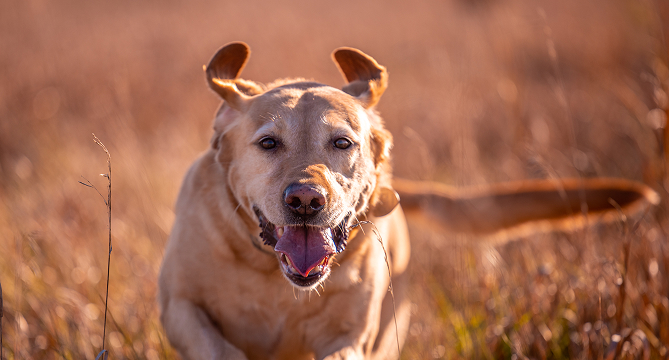
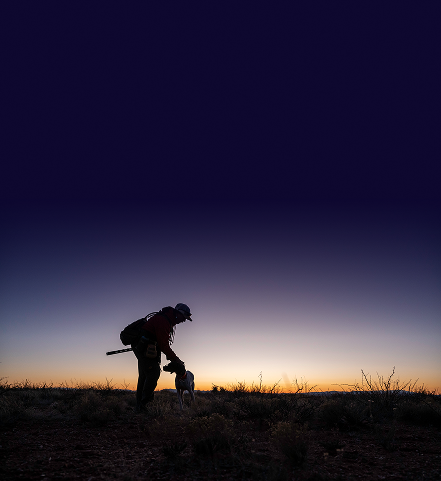
For serious upland bird hunters, the idea of hunting quail (or any other gamebird for that matter) without a bird dog is a path to frustration, futility and no fun.
Learn More10/10/2026
Round-up for conservation campaign to run October 2026 – March 2027
10/09/2026
Chapter volunteers will advance grassroots effort focused on upland habitat advocacy
10/08/2026
Partnership brings virtual fencing technology to farmers, ranchers, and The Habitat Organization
09/30/2026
New collaboration will feature co-branded apparel with proceeds benefiting upland conservation








© 1982-2026, Quail Forever Inc. All rights reserved. Pheasants Forever and Quail Forever are 501(c)(3) charitable organizations. Your donation is tax deductible under the fullest extent of the law.